Blog

  • Sustainable Indoor Gardening: How Terrariums Help Reduce Your Carbon Footprint

    Sustainable Indoor Gardening: How Terrariums Help Reduce Your Carbon Footprint

    Green Living in the Concrete Jungle: Why the Terrarium is the Future of Sustainable Decor

    We live in an era of “fast” everything. Fast fashion, fast food, and unfortunately, “fast decor.” We buy plastic trinkets that end up in landfills, and we purchase cut flowers that wilt in days, wrapped in layers of non-biodegradable cellophane.

    As we become more conscious of our impact on the planet, many of us in India are asking: How can I make my home greener, not just in color, but in spirit?

    At Mistileaf, based in the bustling heart of Kolkata, we believe that sustainability doesn’t always require grand gestures like installing solar panels or going off-grid. sometimes, it starts with a small glass jar on your desk.

    Terrariums are more than just beautiful aesthetic pieces; they are a lesson in sustainability. They are self-contained ecosystems that model how our planet should work—efficient, cyclical, and low-waste. Here is how choosing a terrarium over other decor options helps you reduce your carbon footprint.
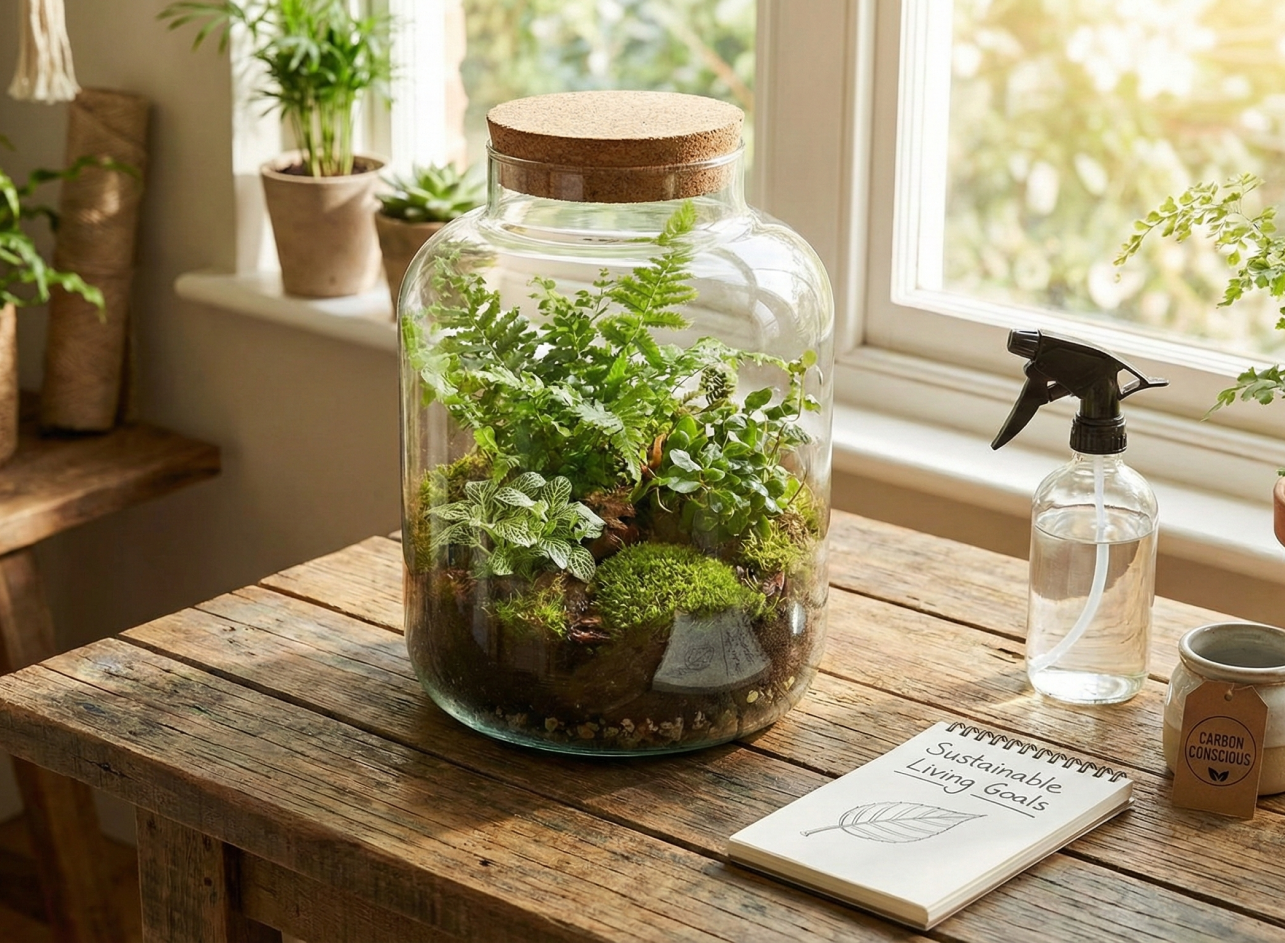
    1. The Water Conservation Champion

    In many Indian cities, water scarcity is a growing reality. Traditional indoor plants can be thirsty. If you have a balcony full of pots, you know the amount of water required to keep them alive during a scorching summer can be significant. Much of that water drains out the bottom or evaporates before the plant can use it.

    A closed terrarium (like the ones we specialize in at Mistileaf) is a masterclass in efficiency. It creates a closed hydrological cycle.

    • The plants take up water through their roots.
    • They release moisture through their leaves (transpiration).
    • The moisture condenses on the cool glass walls.
    • It drips back down into the soil to be used again.

    Because of this cycle, a closed terrarium requires 90% less water than a standard potted plant. You might only water it a few times a year. By choosing a terrarium, you are choosing a method of gardening that respects water as a precious resource.

    2. Breaking the “Cut Flower” Carbon Cycle

    We often think of flowers as the ultimate eco-friendly gift. They are natural, right? Unfortunately, the cut-flower industry has a massive carbon footprint.

    Most commercial flowers are grown in energy-intensive greenhouses (often using pesticides), refrigerated to keep them fresh, flown across the world or trucked across the country in temperature-controlled vehicles, and finally wrapped in plastic sheets. All of this energy usage for an item that is discarded in the trash bin within 5 to 7 days.

    Compare this to a Mistileaf terrarium. It is a “slow gift.” It is designed to live for years, potentially decades. By gifting a living ecosystem instead of a dying bouquet, you are stepping out of the cycle of disposable consumption. You are buying once and enjoying for a lifetime, which is the core principle of sustainability.

    3. Glass vs. Plastic: The Material Matters

    Walk into any garden center, and you will see a sea of plastic. Plastic nursery pots, plastic faux-plants, plastic watering cans.

    Terrariums return to the basics: Glass and Nature. At Mistileaf, our vessels are made of glass—a material that is durable, non-toxic, and infinitely recyclable. Inside, we use natural elements: river stones, activated charcoal, soil, and live plants. There are no synthetic fibers or microplastics shedding into your home environment.

    When you choose a terrarium, you are rejecting the “plastic aesthetic” that has taken over modern home decor. You are choosing materials that come from the earth and can eventually return to it without causing harm.

    4. Natural Air Filtration (The Micro-Lung)

    While one terrarium won’t purify the air of an entire apartment, it contributes to the solution. Indoor air quality in cities like Kolkata can often be poorer than outdoor air due to “off-gassing” from paint, furniture, and cleaning products (VOCs).

    The plants inside your Mistileaf terrarium—whether they are Fittonias, Ferns, or Mosses—are constantly working. They absorb carbon dioxide and release oxygen. They actively pull toxins into the soil where microbes neutralize them. By filling your home with living plants rather than inert decor, you are creating a healthier micro-climate for yourself and your family.

    5. Supporting Local and Reducing “Decor Miles”

    Sustainability is also about where you buy. When you buy mass-produced home decor from big-box international retailers, those items have likely traveled thousands of miles on container ships, burning fossil fuels every step of the way.

    Mistileaf is proudly homegrown. Based in Kolkata, we source our materials locally and curate our plants from local nurseries whenever possible. By supporting a local Indian brand, you are significantly reducing the “transport miles” attached to your purchase. You are supporting the local economy and reducing the global emissions associated with international logistics.

    The Mistileaf Promise

    We believe that luxury and sustainability can coexist. You don’t have to sacrifice style to be eco-friendly. A terrarium is sophisticated, modern, and deeply connected to the earth.

    In a world that is constantly urging us to buy more, use more, and throw away more, a terrarium sits quietly behind its glass, recycling its own water and growing at its own pace. It is a daily reminder that we can live beautifully with less.

    Ready to start your sustainable gardening journey? Browse our “Eco-Collection” at Mistileaf today and bring a piece of the eternal cycle of nature into your home.

    If this guide inspired you to begin your succulent journey, take a look at our lovingly handcrafted terrariums at Mistileaf.
    🌿 Browse our collection: https://mistileaf.com/products

    Love plant inspiration and terrarium ideas?
    🌿 Join us on Instagram: https://www.instagram.com/misti.leaf/
  • The Ultimate Guide to Terrarium Care: How to Keep Your Micro-World Thriving with Mistileaf

    The Ultimate Guide to Terrarium Care: How to Keep Your Micro-World Thriving with Mistileaf

    Congratulations, You Are Now the Guardian of a Tiny World!

    So, you have just bought a stunning terrarium from Mistileaf, or perhaps you were lucky enough to receive one as a gift. You’ve placed it on your desk or coffee table, admired the intricate layers of soil and stone, and gotten lost in the lush greenery behind the glass.

    But now, a tiny question is nagging at the back of your mind: “How do I keep this thing alive?”

    We get it. For many people, the fear of killing a houseplant is real. But here is the good news: Terrariums are designed to be the “lazy gardener’s” best friend. Unlike standard potted plants that demand daily attention, a well-built terrarium is a self-sustaining ecosystem that does most of the hard work for you.

    However, “low maintenance” doesn’t mean “no maintenance.” Based in Kolkata, we at Mistileaf know that the Indian climate—with its heat and varying humidity—requires a specific approach.

    Here is your comprehensive guide to keeping your Mistileaf terrarium happy, healthy, and thriving for years to come.

    1. The Golden Rule of Light: Bright, Not Burning

    Lighting is the engine that runs your terrarium. But there is a common misconception that “plants need sun, so I should put this on the windowsill.”

    Stop! Never place your glass terrarium in direct, harsh sunlight.

    The Science: The glass acts like a magnifying glass. If you place a terrarium in the direct afternoon sun (especially in Indian summers), the temperature inside the jar will skyrocket, essentially cooking your plants. This is the “Greenhouse Effect” gone wrong.

    The Mistileaf Tip:

    • Best Spot: Place your terrarium in a spot with bright, indirect light. A north or east-facing window is perfect. They love natural light, but they don’t want to be sunbathing.
    • Artificial Light: If your room is dark, don’t worry. Terrariums thrive under LED grow lights or even bright desk lamps if kept on for 8-10 hours a day.

    2. Water: The Art of Restraint

    The number one killer of terrariums is not neglect; it is over-love (aka overwatering). How you water depends entirely on which type of Mistileaf terrarium you own.

    A. The Closed Terrarium (Tropical/Moss/Ferns)

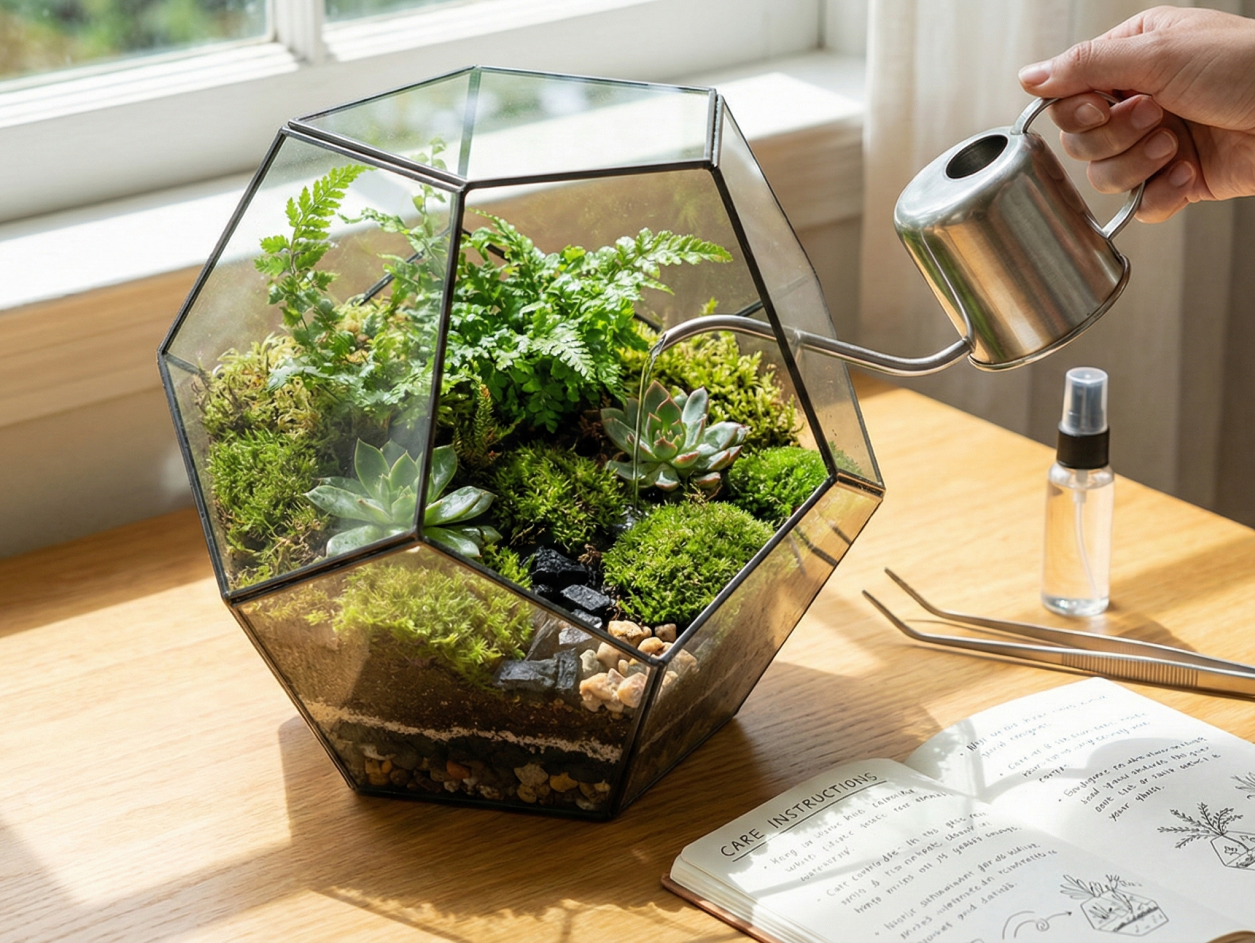
    These are the humidity lovers. A closed terrarium creates its own water cycle. The plants “sweat” (transpiration), the moisture hits the glass, condenses, and drips back down to water the roots.

    • When to water: Hardly ever! If you see condensation (fog) on the glass in the morning and it clears up by evening, the water level is perfect. You might only need to add a teaspoon of water once every 2 to 4 months.
    • The “Fog” Test: If the glass is foggy all day long, it’s too wet. Open the lid for 12 hours to let some moisture escape. If there is no condensation ever, give it a light spray.

    B. The Open Terrarium (Succulents/Cacti)

    These are arid, desert-style landscapes. They require airflow and hate humidity.

    • When to water: Only when the soil is completely bone dry. In Kolkata’s humid monsoon, you might not water these for weeks. In dry winters, maybe once every 10-14 days.
    • How to water: Use a syringe or a dropper to target the soil directly. Avoid getting water on the leaves of the succulent, as this can cause rot.

    3. Temperature and Airflow

    Since we are based in India, we have to talk about heat and Air Conditioning.

    • The AC Factor: Most indoor plants love a stable environment. Do not place your terrarium directly in the path of an AC vent. The blast of cold, dry air can shock the plants.
    • Heat: Similarly, keep them away from heaters or kitchen appliances that radiate heat.
    • Kolkata Humidity: If you have an Open Terrarium in a humid city like Kolkata or Mumbai, ensure it is in a well-ventilated room. Stagnant, humid air is the enemy of succulents.

    4. Grooming: The Occasional “Haircut”

    Your Mistileaf terrarium is a living thing, which means it will grow. Eventually, a fern frond might press against the glass, or a ground-cover plant might get too adventurous.

    • Pruning: If leaves are smushed against the glass, they can collect moisture and rot. Use a pair of long tweezers or small scissors to snip off overgrown leaves. This keeps the aesthetic clean and prevents fungal issues.
    • Cleaning the Glass: Over time, hard water stains or dust might settle on the glass. Use a microfiber cloth to wipe the outside. For the inside, if you have a closed jar, use a piece of cotton on long tweezers to wipe away sludge or dirt from the glass walls.

    5. Troubleshooting: Don’t Panic!

    Even the best plant parents run into issues. Here are quick fixes:

    • Yellow Leaves: Usually a sign of overwatering or soil that is too soggy. Open the lid (if closed) and let it dry out.
    • Brown/Crispy Leaves: Usually a sign of underwatering or too much direct sun. Move it to the shade and give it a mist.
    • White Fuzz (Mold): This happens in closed terrariums. Don’t throw the terrarium away! It’s just a fungus feeding on organic matter. Scoop it out with a spoon, leave the lid open for a day, and maybe wipe the area with a q-tip dipped in a little hydrogen peroxide.

    Final Thoughts

    Taking care of a terrarium is a rewarding experience. It forces you to slow down and observe the small details—a new leaf unfurling, the moss spreading, the way the light hits the stones.

    At Mistileaf, we build our terrariums with premium activated charcoal layers and specialized soil mixes to ensure they have the best possible start in life. The rest is up to you. Trust your instincts, observe your plants, and remember: when in doubt, do less, not more.

    Have a specific question about your plant? Snap a photo and DM us on Instagram! We are always here to help your green world grow.

    If this guide inspired you to begin your succulent journey, take a look at our lovingly handcrafted terrariums at Mistileaf.
    🌿 Browse our collection: https://mistileaf.com/products

    Love plant inspiration and terrarium ideas?
    🌿 Join us on Instagram: https://www.instagram.com/misti.leaf/
  • Redefining Luxury: Why a Mistileaf Terrarium is the Ultimate Aesthetic Statement for Modern Indian Homes

    Redefining Luxury: Why a Mistileaf Terrarium is the Ultimate Aesthetic Statement for Modern Indian Homes

    The Evolution of Opulence: It’s Time for “Greenliness”

    For decades, the definition of luxury in Indian homes was defined by heavy ornamentation—crystal chandeliers, gold-leaf accents, and imported marble. But as our lives become faster, louder, and more digital, the definition of true luxury has shifted.

    Today, luxury is silence. Luxury is space. And most importantly, luxury is a connection to nature.

    At Mistileaf, we believe in a concept we like to call “Greenliness.” It is more than just having a plant in the corner of the room; it is the feeling of pristine, curated nature seamlessly integrated into your living space. It is the ability to gaze into a glass vessel and see a thriving, self-sustaining world that brings a sense of calm to the chaos of urban living.

    Based in the artistic hub of Kolkata, Mistileaf is not just selling plants; we are curating “living art” for the discerning Indian homeowner who values aesthetics as much as vitality. Here is why a terrarium is the new must-have luxury artifact for your home.

    1. The Intersection of Art and Botany

    A potted plant is gardening; a terrarium is design.

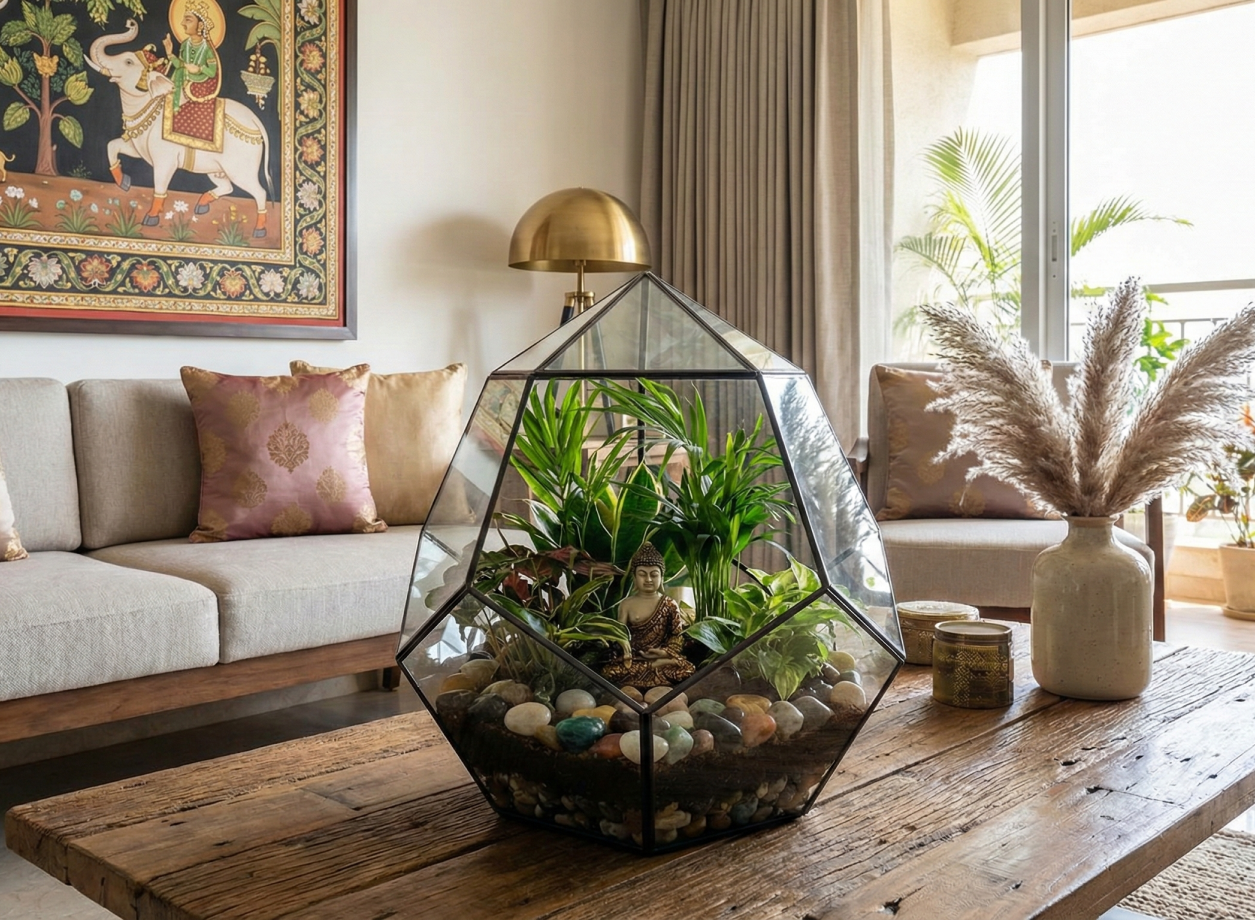
    When you place a Mistileaf terrarium on your coffee table or office desk, you aren’t just placing a plant; you are installing a sculpture. The interplay between the industrial rigidity of the glass—whether it’s a geometric prism or a sleek, hand-blown bowl—and the organic, wild growth of the plants inside creates a visual contrast that is high-fashion and sophisticated.

    In the world of interior design, “aesthetics” is about balance. A terrarium provides textures that synthetic decor simply cannot mimic. The velvet green of the moss, the rugged architectural shape of a rock, and the delicate veins of a Fittonia leaf create a visual complexity that screams high-end curation. It is a centerpiece that demands attention, much like a rare painting or a classic sculpture.

    2. “Greenliness”: The Luxury of Wellbeing

    Why do we visit five-star resorts in Kerala or hill stations in the North? We go for the greenery. We go to escape the concrete. Bringing that energy into your daily life is the ultimate indulgence.

    “Greenliness” is the feeling of cleanliness and freshness that radiates from a healthy ecosystem. In a sealed or semi-open terrarium, the photosynthesis process is visible and contained. It represents a purified, micro-environment.

    For the modern Indian professional living in a high-rise apartment in Mumbai, Bangalore, or Kolkata, access to a private garden is a rare privilege. A Mistileaf terrarium grants you that privilege on a micro-scale. It allows you to own a slice of a rainforest or a fragment of a desert. This connection to the earth (Biophilia) is a luxury for the mind, reducing stress and enhancing creativity.

    3. Exclusivity and Craftsmanship

    Mass-produced plastic pots are everywhere. They are functional, but they are not special. A luxury product is defined by the thought and craftsmanship put into it.

    At Mistileaf, our process is rooted in the artistic heritage of Kolkata. Building a terrarium is a meticulous process involving specific layering. We don’t just throw dirt in a jar. We engineer the drainage layer with stones, the filtration layer with premium activated charcoal to keep the ecosystem fresh, and a specialized soil mix tailored to the plants.

    When you buy a Mistileaf terrarium, you are buying a bespoke ecosystem. No two terrariums are exactly alike. The way a fern unfurls or a succulent leans is unique to that specific vessel. Owning something one-of-a-kind is the hallmark of true luxury.

    4. The “Quiet Luxury” Trend

    There is a massive trend in global fashion and interiors right now called “Quiet Luxury.” It rejects flashy logos and bright neon colors in favor of neutrals, quality materials, and understatement.

    A terrarium is the epitome of Quiet Luxury. It doesn’t scream for attention; it commands it. It fits seamlessly into a minimalist Scandinavian living room, adds life to a sterile corporate boardroom, or softens the edges of a brutalist industrial loft. It is sophisticated without trying too hard.

    Whether you are styling a console table in your foyer or looking for the perfect accessory for a mahogany study desk, a terrarium adds a touch of class that artificial plants simply cannot achieve.

    5. The Perfect Gift for the Person Who Has Everything

    Luxury is also about gifting experiences rather than things. When you are invited to a housewarming or a wedding of someone who appreciates the finer things in life, a toaster or a generic showpiece feels inadequate.

    A Mistileaf terrarium creates a “wow” moment. It shows that you respect their space and their aesthetic. It is a gift of “Greenliness”—wishing them growth, prosperity, and peace. It creates an immediate conversation piece and marks you as someone with impeccable taste.

    Experience the Mistileaf Difference

    We invite you to move beyond standard home decor. Stop viewing plants as chores and start viewing them as art.

    From our studio in Kolkata to doorsteps across India, Mistileaf is dedicated to bringing the elite beauty of the natural world into your personal sanctuary. Browse our collection today and find the piece that speaks to your sense of style.

    Elevate your space. Embrace the luxury of nature.

    If this guide inspired you to begin your succulent journey, take a look at our lovingly handcrafted terrariums at Mistileaf.
    🌿 Browse our collection: https://mistileaf.com/products

    Love plant inspiration and terrarium ideas?
    🌿 Join us on Instagram: https://www.instagram.com/misti.leaf/
  • More Than Just Plants: 7 Reasons Why a Terrarium is the Perfect Gift for Any Occasion

    More Than Just Plants: 7 Reasons Why a Terrarium is the Perfect Gift for Any Occasion

    The Art of Gifting Green: Why a Terrarium is the Ultimate Gesture of Care

    We have all been there. The calendar notification pops up—a birthday, an anniversary, a housewarming party, or perhaps a corporate farewell. Immediately, the panic sets in. What do you buy?

    Chocolates feel too generic. A bouquet of flowers, while beautiful, wilts within forty-eight hours. Clothes are risky (what if the size is wrong?), and gift cards often feel impersonal.

    In a world cluttered with disposable items and fleeting trends, we crave something meaningful. We crave a connection to nature. This is where the Terrarium steps in—a gift that is elegant, enduring, and effortlessly enchanting.

    At Mistileaf, based right here in the heart of Kolkata, we have watched the terrarium trend explode across India. But we don’t just see them as glass jars with plants; we see them as self-sustaining ecosystems that carry a message of life and growth.

    If you are on the fence about what to gift next, here is why a Mistileaf terrarium is the perfect solution.

    1. It is “Living Art” for Any Space

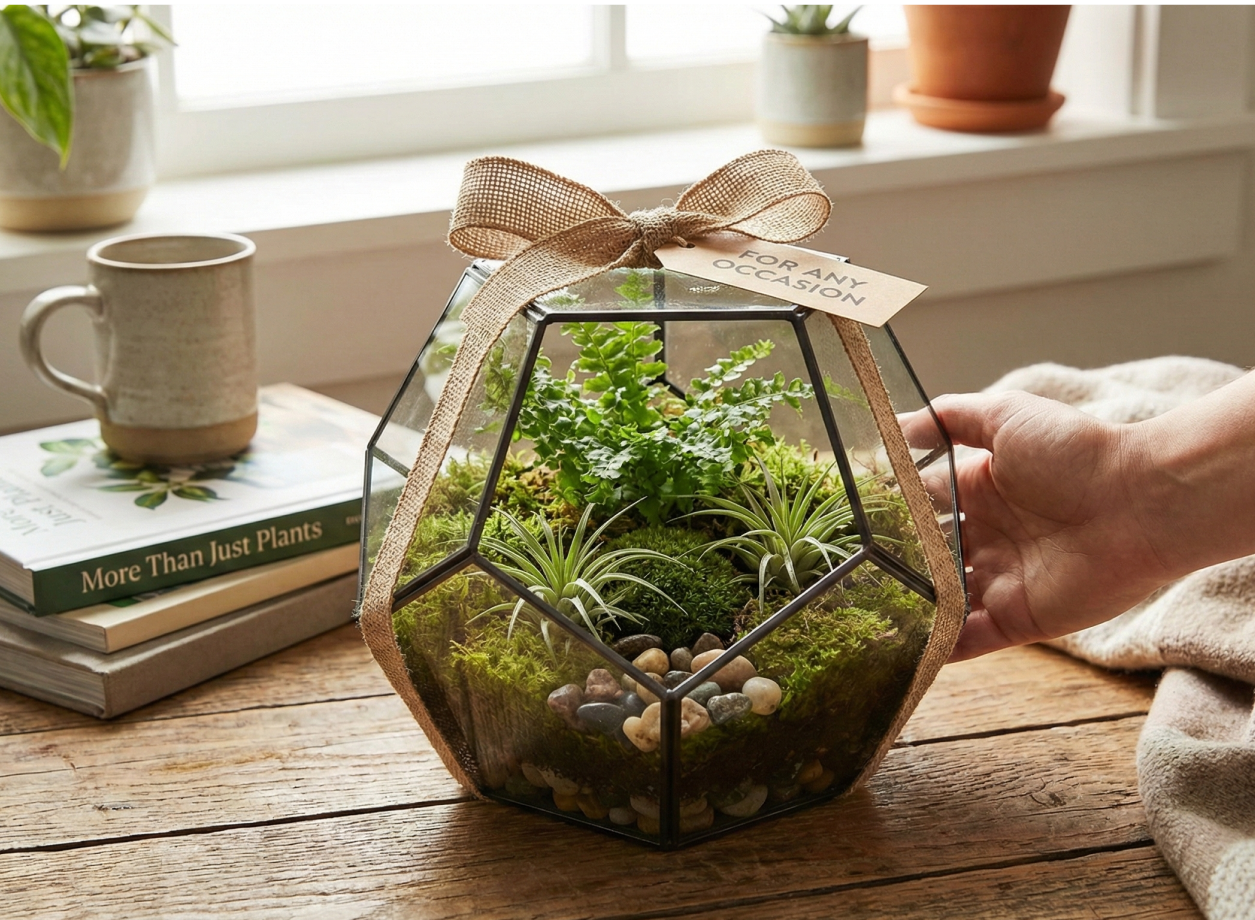
    A terrarium isn’t just a potted plant; it is a miniature landscape encapsulated in glass. Whether it is a sleek geometric container housing a rugged succulent or a classic fishbowl lush with moss and ferns, a terrarium immediately elevates the aesthetics of a room.

    In modern Indian apartments where space is often at a premium, a Mistileaf terrarium acts as a focal point. It fits perfectly on a study desk, a coffee table, or a bedside shelf. It is a piece of decor that breathes, changing slightly every day, providing a visual escape from the concrete jungle outside.

    2. The “Lazy Gardener” Benefit (Low Maintenance)

    One of the biggest reasons people hesitate to gift plants is the burden of care. “What if they forget to water it? What if it dies?”

    Terrariums are the answer to these worries. Because they are enclosed (or semi-enclosed) ecosystems, they create their own water cycle. The moisture evaporates, condenses on the glass, and falls back down to water the roots.

    For the busy IT professional in Bangalore or the hustle-culture entrepreneur in Kolkata, a terrarium is a blessing. It offers all the benefits of having nature close by without the daily chore of watering. It is the perfect “set it and forget it” companion.

    3. Longevity: The Gift That Outlives the Occasion

    Let’s compare a terrarium to the most common gift competitor: the flower bouquet. A high-quality bouquet can be expensive, yet it is destined for the dustbin in less than a week.

    A Mistileaf terrarium, however, is designed to last. With minimal care, these ecosystems can thrive for years. Every time your recipient looks at that thriving green world inside the glass, they are reminded of you and the special occasion you celebrated. It is a lasting symbol of your relationship—growing, enduring, and beautiful.

    4. A Natural Stress Buster

    There is a concept called Biophilia—the innate human instinct to connect with nature. Studies have consistently shown that looking at greenery reduces cortisol levels (stress), lowers blood pressure, and improves focus.

    By gifting a terrarium, you aren’t just giving an object; you are giving the gift of mental well-being. For someone working from home or studying for exams, having a Mistileaf terrarium on their desk provides a calming focal point to rest their eyes and reset their mind.

    5. Unique and Eco-Friendly

    In an era where we are all trying to be more conscious of our carbon footprint, a terrarium is a sustainable choice. Unlike plastic trinkets or mass-produced decor, a terrarium is natural.

    At Mistileaf, we pride ourselves on curating high-quality glass and sourcing healthy, vibrant plants. Giving a terrarium signals that you care about the planet. It is a sophisticated, eco-conscious choice that stands out in a pile of generic gifts.

    6. Versatility: Perfect for Everyone

    Who is a terrarium for? The answer is: everyone.

    • For the Wedding: A geometric terrarium makes for a stunning, modern wedding gift for a couple starting their new home.
    • For the Boss: It is professional, sleek, and adds life to a sterile office cubicle.
    • For Parents: It brings the garden inside, which is perfect for elderly parents who might not be able to tend to an outdoor garden anymore.
    • Return Gifts: We are seeing a massive surge in Kolkata and beyond where people use mini-terrariums as wedding favors or corporate giveaways.

    Why Choose Mistileaf?

    We know that shipping glass and plants sounds risky. That is why Mistileaf has perfected the art of packaging. Based in Kolkata, we understand the nuances of the Indian climate and logistics.

    We don’t just sell products; we craft experiences. Each Mistileaf terrarium is hand-assembled with precision, ensuring the soil layers are correct for drainage and the plants are healthy before they ever leave our studio. We offer a variety of styles, from desert themes with hardy succulents to tropical forest themes with lush foliage.

    The Verdict

    The next time you are scrolling through shopping apps looking for a gift, stop and think about what you want to say. If you want to say, “I want you to have something beautiful, lasting, and peaceful,” then a terrarium is the only choice.

    Bring a piece of nature indoors. Explore our latest collection at Mistileaf and discover the magic of a world within glass.

    If this guide inspired you to begin your succulent journey, take a look at our lovingly handcrafted terrariums at Mistileaf.
    🌿 Browse our collection: https://mistileaf.com/products

    Love plant inspiration and terrarium ideas?
    🌿 Join us on Instagram: https://www.instagram.com/misti.leaf/
  • Infinite Greenery: The Ultimate Guide to Propagating Succulents

    Infinite Greenery: The Ultimate Guide to Propagating Succulents

    If you have ever owned a succulent, you know the addiction is real. One cute Echeveria succulents turns into three, and suddenly, you are eyeing every window sill in your house with a “potential garden” gaze. But what if I told you that you don’t always need to buy new plants to grow your collection?

    Welcome to the magical world of succulent propagation—the art of making new plants from the ones you already love.

    At Mistileaf, we believe that gardening should be a cycle of creation. Based right here in the heart of Kolkata, we design terrariums that tell a story. But today, we want to help you write the prequel: growing your own baby succulents that will eventually find their forever homes in our glass landscapes.

    Whether you are a seasoned gardener in Salt Lake or a beginner in Ballygunge with your first pot, this guide is for you.


    Why Propagate?

    Succulents are survivors. In their native arid habitats, they evolved to reproduce easily to ensure their species survived harsh droughts. For us, this means “free plants!” Propagation is cost-effective, incredibly rewarding, and a fantastic way to rescue a plant that might be getting too “leggy” or overgrown.

    The Three Golden Methods of Propagation

    There are three main ways to multiply your succulents. The best method depends on the type of succulent you have.

    1. Leaf Propagation (The “Magic Trick”)

    This is the most common method for fleshy succulents like Echeveria and Sedum. It feels like magic to watch a tiny clone emerge from a single fallen leaf.

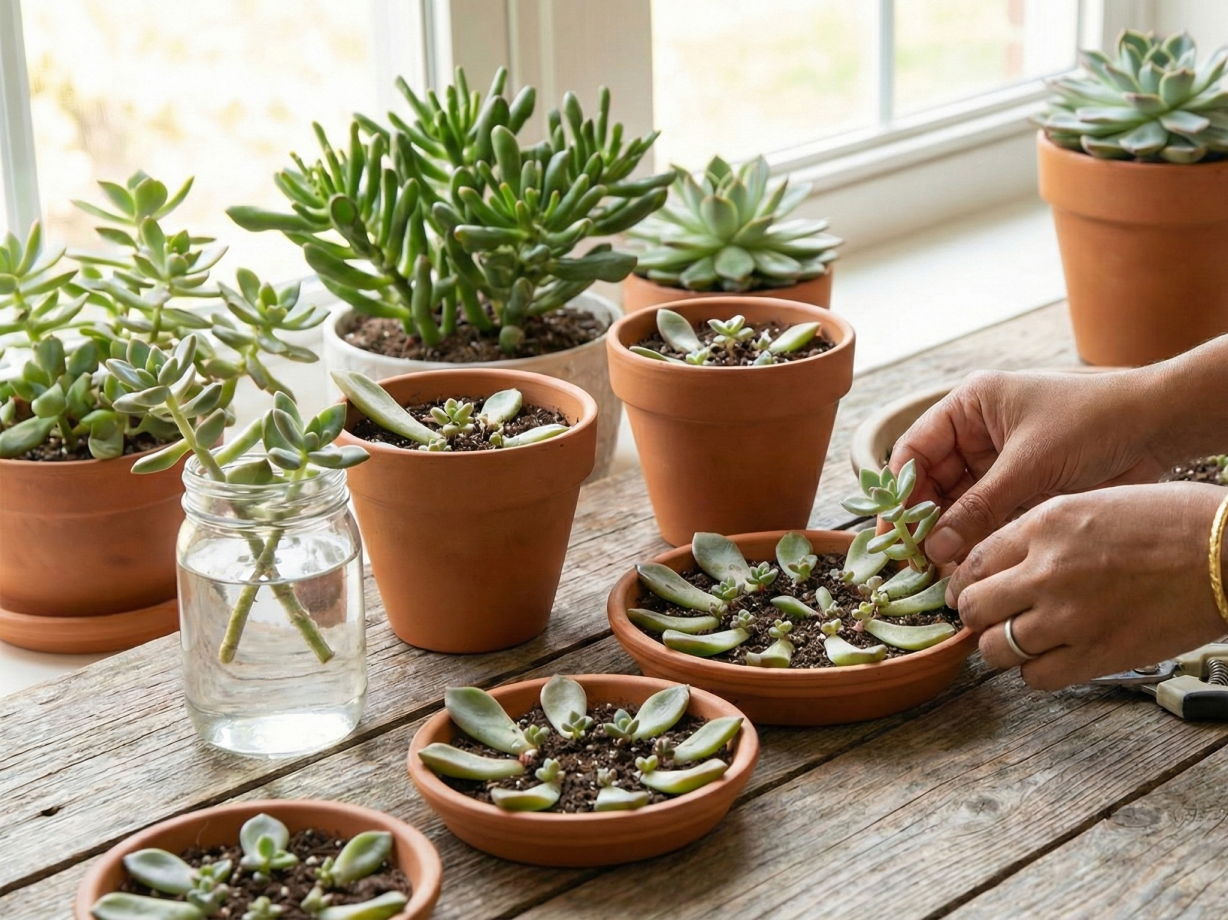
    • Step 1: The Twist. Gently twist a healthy leaf off the main stem. It’s crucial to get a “clean break.” If a piece of the leaf is left on the stem, it likely won’t root.
    • Step 2: The Callous. This is the secret step many beginners skip. Place your leaves on a dry paper towel in a shaded spot for 2–3 days. You want the raw end to dry out and form a “callous.” If you plant it wet, it will rot.
    • Step 3: The Bedding. Lay the calloused leaves on top of well-draining succulent soil (do not bury them!).
    • Step 4: The Wait. Mist the soil every few days—just enough to keep the top layer slightly damp. In a few weeks, you’ll see tiny pink roots and a miniature baby plant (a “pup”) emerging from the leaf end.

    2. Stem Cuttings (The “Beheading”)

    If your succulent has grown tall and stretched out (etiolated) because it didn’t get enough sun, this is the perfect fix.

    • Step 1: The Cut. Using sterile, sharp scissors, cut the top of the succulent rosette off, leaving an inch or two of stem attached to the head.
    • Step 2: Dry it Out. Just like the leaves, let the cutting dry in a shaded area for 2–4 days until the cut end callouses over.
    • Step 3: Plant. Stick the calloused stem into fresh soil. Don’t water it immediately; give the roots a week to settle before your first watering.

    3. Offsets (The “Natural Mom”)

    Some plants, like Aloe Vera, Haworthia, and Sempervivum, do the work for you. They shoot out baby plants, often called “pups,” around their base.

    • Step 1: Separate. Unpot the mother plant and gently tease the roots apart to separate the pup. Ensure the pup has some of its own roots attached.
    • Step 2: Rehome. Plant the pup immediately in its own small pot.

    Propagation in the Indian Climate: The Kolkata Factor

    Gardening in India, and specifically in a humid city like Kolkata, comes with its own set of rules. While succulents love the Indian sun, they hate the Indian monsoon humidity.

    • Humidity is the Enemy: When propagating in Kolkata, especially during the monsoon, moisture in the air can cause your cuttings to rot before they root. Keep your propagation trays in a well-ventilated area with good airflow.
    • Avoid Direct Noon Sun: While mature succulents love sun, baby propagations are delicate. The harsh Indian afternoon sun will scorch them. bright, indirect light (like a north-facing balcony) is ideal.
    • Soil Matters: standard garden soil (Mitti) is too heavy. Use a mix of coco peat, perlite, and coarse sand. At Mistileaf, we ensure all our terrariums use a custom-blended substrate specifically designed to combat root rot in humid climates.

    From Nursery Tray to Mistileaf Terrarium

    So, you’ve successfully propagated a dozen tiny succulents. Now what?

    This is where the artistry begins. Tiny propagated succulents are the perfect size for terrariums. Because they are young, they adapt better to the micro-climate inside a glass container than mature plants do.

    At Mistileaf, we specialize in creating these miniature ecosystems. Here is how you can integrate your new babies with our products:

    1. The Open Terrarium: For arid succulents (like the ones you propagated from leaves), our geometric open glass containers are ideal. They allow for maximum airflow, keeping those humidity-sensitive roots happy.
    2. The Landscape: Use your tiny new plants to create “depth” in a terrarium. Place larger rocks in the back and your small, propagated pups in the front to mimic a vast landscape.
    3. Gifting: There is nothing more personal than gifting a Mistileaf terrarium planted with succulents you grew yourself. It’s a gift of time, patience, and life.

    Start Your Green Journey Today

    Propagation teaches us patience. It reminds us that big things—beautiful, thriving gardens—start from small, fragile beginnings.

    If you are ready to take your love for plants to the next level, or if you are looking for the perfect glass home for your new plant babies, check out our latest collection. We deliver handcrafted terrariums across India, bringing a slice of nature right to your desk.

    Happy Planting!

    If this guide inspired you to begin your succulent journey, take a look at our lovingly handcrafted terrariums at Mistileaf.
    🌿 Browse our collection: https://mistileaf.com/products

    Love plant inspiration and terrarium ideas?
    🌿 Join us on Instagram: https://www.instagram.com/misti.leaf/
  • Why Succulents and Terrariums Are the Ultimate Upgrade for Your Space

    Why Succulents and Terrariums Are the Ultimate Upgrade for Your Space

    Bringing the “Mist” of the Forest to the Concrete Jungle

    In the bustling streets of Kolkata, where the heritage architecture meets the rush of modern life, finding a moment of pure, unadulterated calm can feel like a luxury. We often find ourselves craving a connection to nature—a splash of green against the grey of the city. This is where the quiet revolution of succulents and terrariums comes in.

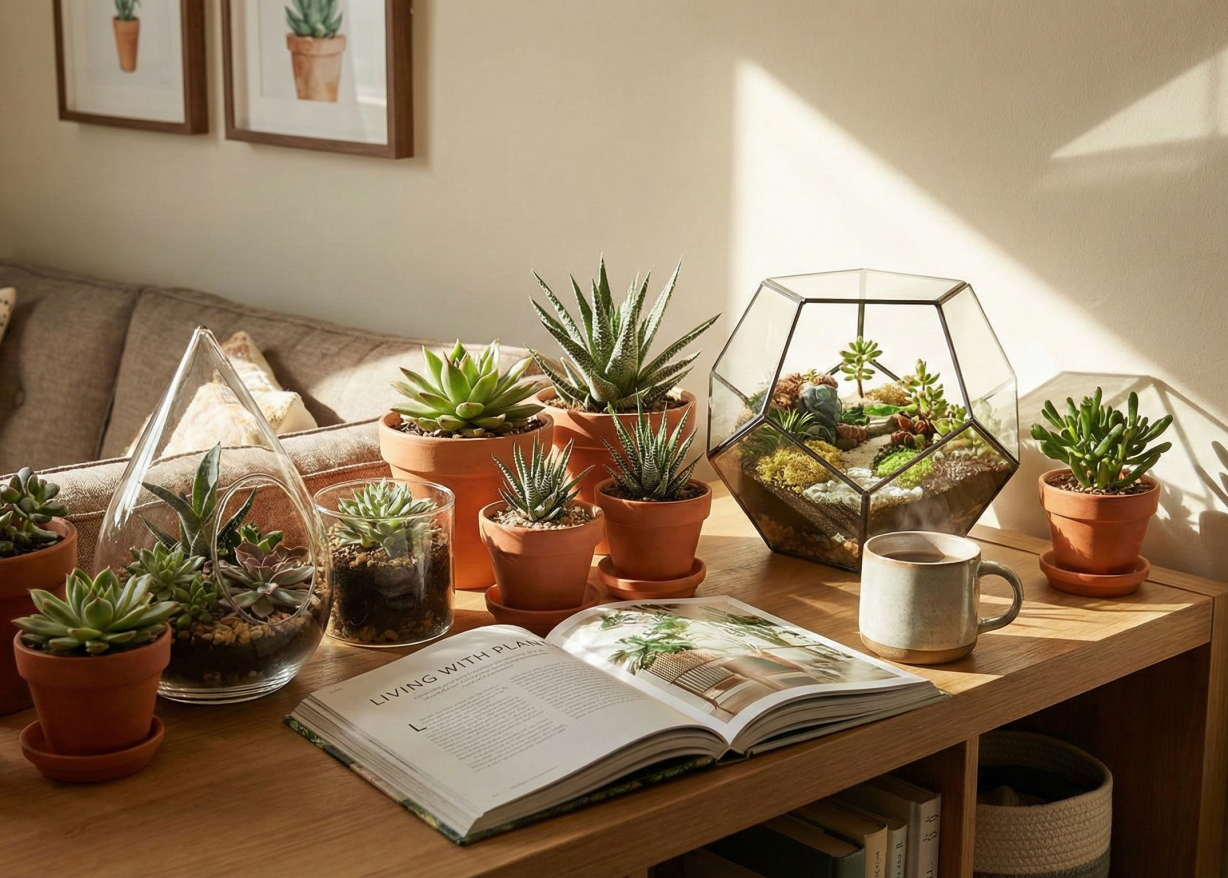
    Gone are the days when gardening required a backyard and hours of free time. Today, the garden has moved indoors, onto our desks, our coffee tables, and our windowsills. At Mistileaf, we believe that everyone deserves a slice of nature, no matter how small their space. But why exactly have these tiny, water-retaining plants taken the world by storm? Let’s dig into why succulents are the perfect companions for your office, your home, and the people you love.


    1. The Office Companion: Boosting Productivity, One Leaf at a Time

    Walk into any modern office or co-working space, and you’ll likely spot a terrarium perched on a desk. This isn’t just a design trend; it’s a productivity hack.

    The “Green” Stress Buster Corporate life can be demanding. Deadlines, meetings, and screen fatigue are real issues. Research suggests that simply looking at greenery can lower cortisol levels (the stress hormone) and reduce blood pressure. A Mistileaf terrarium on your desk acts as a visual “reset button.” When your eyes are tired from staring at a spreadsheet, a 30-second gaze at the intricate layers of moss and succulents inside a glass bowl can help refocus your mind.

    Purifying the Air You Breathe Offices are often poorly ventilated, circulating stale air. Succulents, particularly varieties like Snake Plants and Aloe Vera often used in larger arrangements, are famous for their air-purifying qualities. Unlike many plants that only photosynthesize during the day, many succulents continue to release oxygen at night and can remove toxins like formaldehyde and benzene from the air. It’s like having a miniature air filter that looks beautiful.

    Low Maintenance for High Performance Let’s be honest: you’re at the office to work, not to be a gardener. Succulents are the camels of the plant world. They store water in their leaves, meaning they can survive a long weekend (or even a week-long vacation) without a drop of water. For busy professionals, this “benign neglect” makes them the ideal desk mate.


    2. The Home Aesthetic: Living Art for Your Sanctuary

    Your home is your sanctuary, and the decor you choose sets the mood. While cut flowers die in a week and artificial plants gather dust, a terrarium is a living ecosystem.

    Versatility in Design Whether your home in Kolkata is a traditional heritage apartment with high ceilings or a chic, modern flat in New Town, succulents fit everywhere. A geometric glass terrarium adds a touch of modern elegance to a minimalist living room, while a rustic bowl filled with Echeveria and Haworthia adds warmth to a wooden dining table.

    The “Mistileaf” Touch At Mistileaf, we don’t just pot plants; we create landscapes. Our terrariums are designed to look like captured moments in nature—a miniature forest floor, a rocky outcrop, or a desert oasis. They become conversation starters. When guests visit, they aren’t just looking at a plant; they are peering into a tiny, self-contained world.

    Perfect for Indian Climate India’s climate can be harsh, but succulents are resilient. They thrive in the warmth and require very little humidity management compared to sensitive tropical plants. This makes them perfect for Indian homes where the AC might be running all summer or the windows might be thrown open to the monsoon breeze.


    3. The Art of Gifting: Why Terrariums Beat Bouquets

    We’ve all been there—struggling to find a gift that feels meaningful. Chocolates get eaten, flowers wilt, and generic showpieces often end up in a drawer. This is why a Mistileaf terrarium is the ultimate gifting solution.

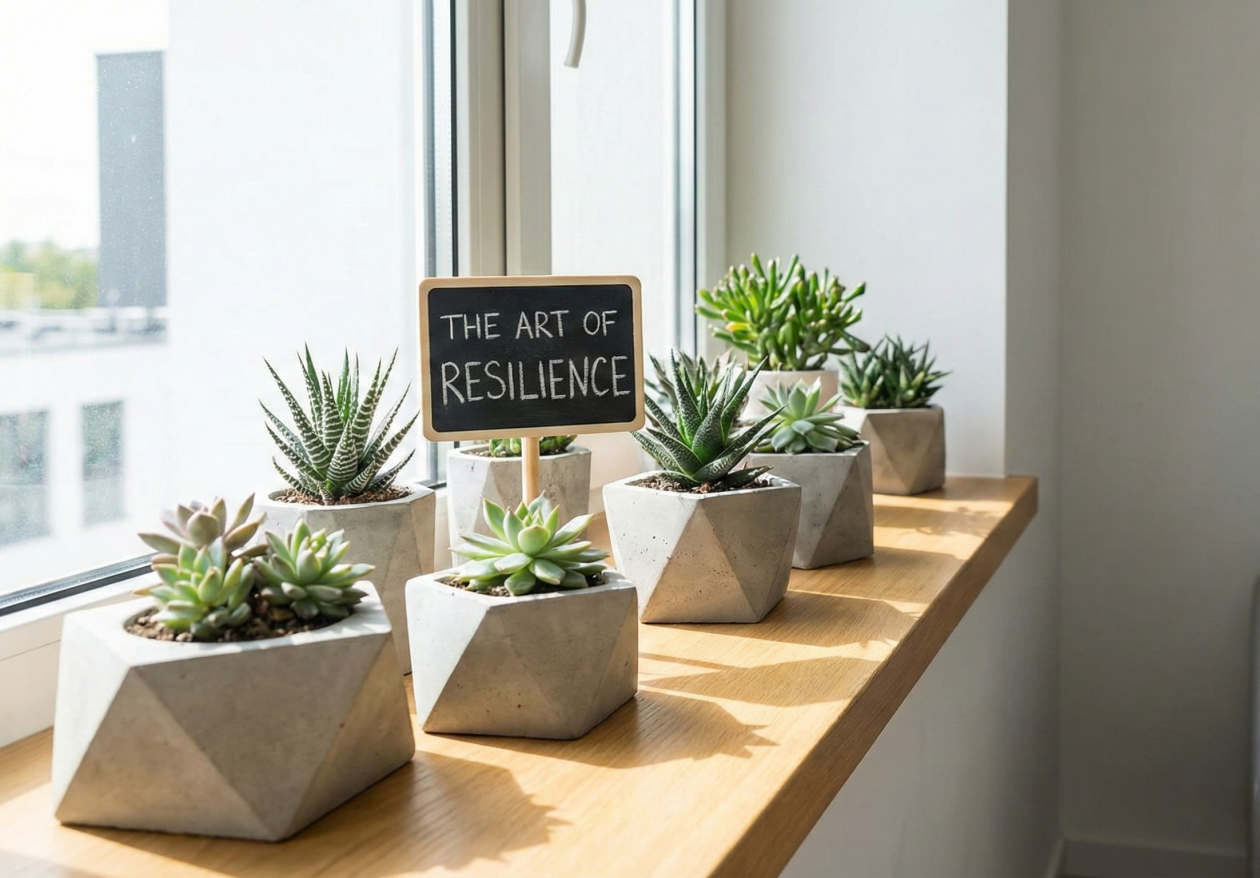
    Symbolism of Growth and Resilience When you gift a succulent, you are gifting a symbol of endurance. These plants thrive in tough conditions and grow slowly but steadily. It’s a beautiful metaphor for a relationship, a new job, or a new home. You are telling the recipient, “I want you to grow and thrive.”

    The Eco-Friendly Choice In a world increasingly conscious of sustainability, a terrarium is a responsible gift. It produces no plastic waste and lasts for years. Unlike a bouquet that is discarded in days, a Mistileaf terrarium remains a permanent reminder of your affection.

    Suitable for Every Occasion

    • Corporate Gifting: A sleek, low-maintenance terrarium is professional yet thoughtful.
    • Housewarming: It literally adds life to a new home.
    • Weddings/Return Gifts: A miniature succulent is a memorable keepsake for guests.
    • Diwali/Festivals: Instead of sweets, gift “green wealth.” In Vastu and Feng Shui, succulents like the Jade plant are believed to attract wealth and prosperity.

    Why Choose Mistileaf?

    Based right here in the heart of Kolkata, Mistileaf understands the local vibe and the local climate. We aren’t just a plant shop; we are terrarium artists.

    • Hand-Curated Selection: We pick the healthiest succulents that are acclimatized to our local weather, ensuring they don’t die on you a week after purchase.
    • Artistic Design: Every Mistileaf terrarium is hand-assembled with specialized layers of drainage stones, activated charcoal (to keep the soil fresh), and premium succulent soil, ensuring your plant has a healthy home.
    • Doorstep Delivery: We know how fragile glass can be. Our packaging is designed to ensure your miniature garden arrives at your doorstep in Kolkata in pristine condition.

    Quick Care Tips for Your Mistileaf Terrarium

    To ensure your green friend stays happy:

    1. Light: Give them bright, indirect light. Near a window is perfect, but avoid scorching direct midday sun in summer.
    2. Water: The “Mist” in Mistileaf stands for moisture control! Only water when the soil is completely dry. For terrariums, a few spoonfuls of water every 10-14 days is usually enough. Overwatering is the enemy!
    3. Air: Succulents love airflow. If you have an open terrarium, it will thrive easily.

    Ready to Green Your Space?

    Whether you are looking to add a zen corner to your office desk, breathe life into your living room, or send a gift that truly lasts, Mistileaf has a world of green waiting for you.

    Explore our latest collection of handcrafted terrariums today. Let nature in, one leaf at a time.

    If this guide inspired you to begin your succulent journey, take a look at our lovingly handcrafted terrariums at Mistileaf.
    🌿 Browse our collection: https://mistileaf.com/products

    Love plant inspiration and terrarium ideas?
    🌿 Join us on Instagram: https://www.instagram.com/misti.leaf/
  • The Art of Resilience: Why Succulents Are the Ultimate Modern Houseplant

    The Art of Resilience: Why Succulents Are the Ultimate Modern Houseplant

    In the hustle of modern urban living—whether you are navigating the busy streets of Kolkata or rushing through a corporate job in Bangalore—there is a universal craving to reconnect with nature. We all want that touch of green in our living rooms or on our office desks. However, the reality of maintaining high-maintenance tropical plants often leads to withered leaves and disappointment.

    Enter the succulent: the plant that thrives on neglect, looks like a piece of living sculpture, and fits perfectly into the modern Indian aesthetic.

    At Mistileaf, we have turned our fascination with these resilient beauties into a craft. As a Kolkata-based brand dedicated to bringing nature indoors through artistically designed terrariums, we often get asked: Why are succulents so popular? and How do they survive with so little care?

    Today, we are diving deep into the science and the style of the world’s most beloved low-maintenance plant.

    Thriving on Neglect: The Science of Survival

    To understand why succulents are the perfect plant for the busy individual, you have to look at their history. Succulents didn’t evolve in lush rainforests; they evolved in some of the harshest environments on Earth—deserts, arid cliffs, and salt pans.

    The word “succulent” actually comes from the Latin word sucus, meaning “juice” or “sap.” This is the secret to their survival in minimum conditions.

    1. Nature’s Storage Tanks

    Unlike other plants that transport water from roots to leaves constantly, succulents have developed fleshy, thickened tissues (leaves, stems, or roots) that act as water reservoirs. When you water a succulent, it drinks greedily, storing that moisture for the long drought ahead. This is why you can go on a week-long vacation and return to find your Mistileaf terrarium looking just as fresh as when you left.

    2. The CAM Process

    Most plants “breathe” during the day, opening their pores (stomata) to take in carbon dioxide. In a hot desert, this would cause them to lose too much moisture. Succulents utilize a process called Crassulacean Acid Metabolism (CAM). They keep their pores closed during the scorching day and only open them at night to breathe. This evolutionary hack allows them to survive in minimum conditions that would kill a fern or a peace lily in days.

    The Aesthetic Appeal: Living Sculptures

    While their survival skills are impressive, let’s be honest: we love succulents because they are beautiful. In the world of interior design, succulents are unrivaled. They don’t look like wild, unruly bushes; they look like geometric art.

    Minimalist Perfection

    Modern interior design trends in India are shifting towards minimalism—clean lines, decluttered spaces, and intentional decor. A messy, shedding plant can disrupt this vibe. Succulents, with their architectural shapes, rosettes, and symmetry, complement modern furniture and tech-heavy workspaces perfectly.

    A Palette of Colors

    Green is just the beginning. Succulents come in a stunning array of colors, from dusty blues and deep purples to sunset pinks and fiery reds. At Mistileaf, we curate our terrariums to feature these contrasting colors, turning a simple glass bowl into a vibrant landscape that looks different from every angle.

    Why Terrariums are the Best Home for Succulents

    While a succulent in a plastic nursery pot is cute, a succulent in a Mistileaf terrarium is a statement piece.

    Terrariums are essentially miniature ecosystems encased in glass. For urban dwellers in apartments where garden space is non-existent, a terrarium is a way to own a tiny world.

    • The “Greenhouse” Effect: The glass enclosure helps regulate the micro-climate around the plants.
    • Visual Layering: Our terrariums aren’t just about the plants; they are about the soil layers, the decorative pebbles, the moss, and the artistic arrangement. It turns a plant into a high-end decor item.
    • Cleanliness: Terrariums contain the mess. There is no water leaking onto your wooden furniture and no soil spilling out.

    Bringing Green to Kolkata and Beyond

    Based in the heart of Kolkata, Mistileaf understands the Indian climate. Kolkata can be humid, and while succulents love dry heat, we design our open-terrarium arrangements specifically to ensure airflow, preventing rot even during the humid monsoon months.

    We believe that everyone deserves a “Misti” (sweet) touch of leaf in their life. Whether you are gifting a terrarium to a friend for a housewarming or buying one to add some Zen to your work-from-home setup, you are investing in a plant that respects your time.

    Quick Care Tips for Your Mistileaf Terrarium

    To ensure your succulent terrarium thrives, follow the “Minimum Condition” rule:

    1. Light is Life: Place your terrarium in a spot with bright, indirect sunlight. A windowsill is perfect.
    2. ** The “Soak and Dry” Method:** Only water when the soil is completely dry. In Indian summers, this might be once a week. In winters, it might be once every two weeks.
    3. No Spraying: Don’t mist your succulents! They hate humidity on their leaves. Use a dropper or a small spout to water the soil directly.

    Conclusion

    Succulents are more than just plants; they are a lesson in resilience. They teach us that you don’t need an abundance of resources to bloom—you just need to be efficient with what you have. They are tough, adaptable, and undeniably gorgeous.

    At Mistileaf, we invite you to bring this resilient beauty into your home. Explore our collection of handcrafted terrariums and discover how easy it is to keep a little piece of nature by your side, no matter how busy life gets.

    If this guide inspired you to begin your succulent journey, take a look at our lovingly handcrafted terrariums at Mistileaf.
    🌿 Browse our collection: https://mistileaf.com/products

    Love plant inspiration and terrarium ideas?
    🌿 Join us on Instagram: https://www.instagram.com/misti.leaf/
  • The Ultimate Guide to Succulents: Types, Care Tips and More

    The Ultimate Guide to Succulents: Types, Care Tips and More

    In today’s fast-paced world, we’re constantly surrounded by noise, deadlines, and distractions. Yet, in the middle of all this chaos, succulents stand as tiny reminders of calm, patience, and resilience.

    These charming plants—compact, sculptural, and incredibly low-maintenance—have found a special place in modern Indian homes, especially in bustling cities like Kolkata, where people crave pockets of green tranquility.

    For us at Mistileaf, succulents are more than just decor. They are living art, miniature worlds of life and growth captured inside beautifully crafted terrariums. If you’re looking to start your succulent journey or deepen it, this guide will walk you through everything you need to know—types, care, and the subtle life lessons these hardy plants teach us.


    🌵 What Exactly Are Succulents?

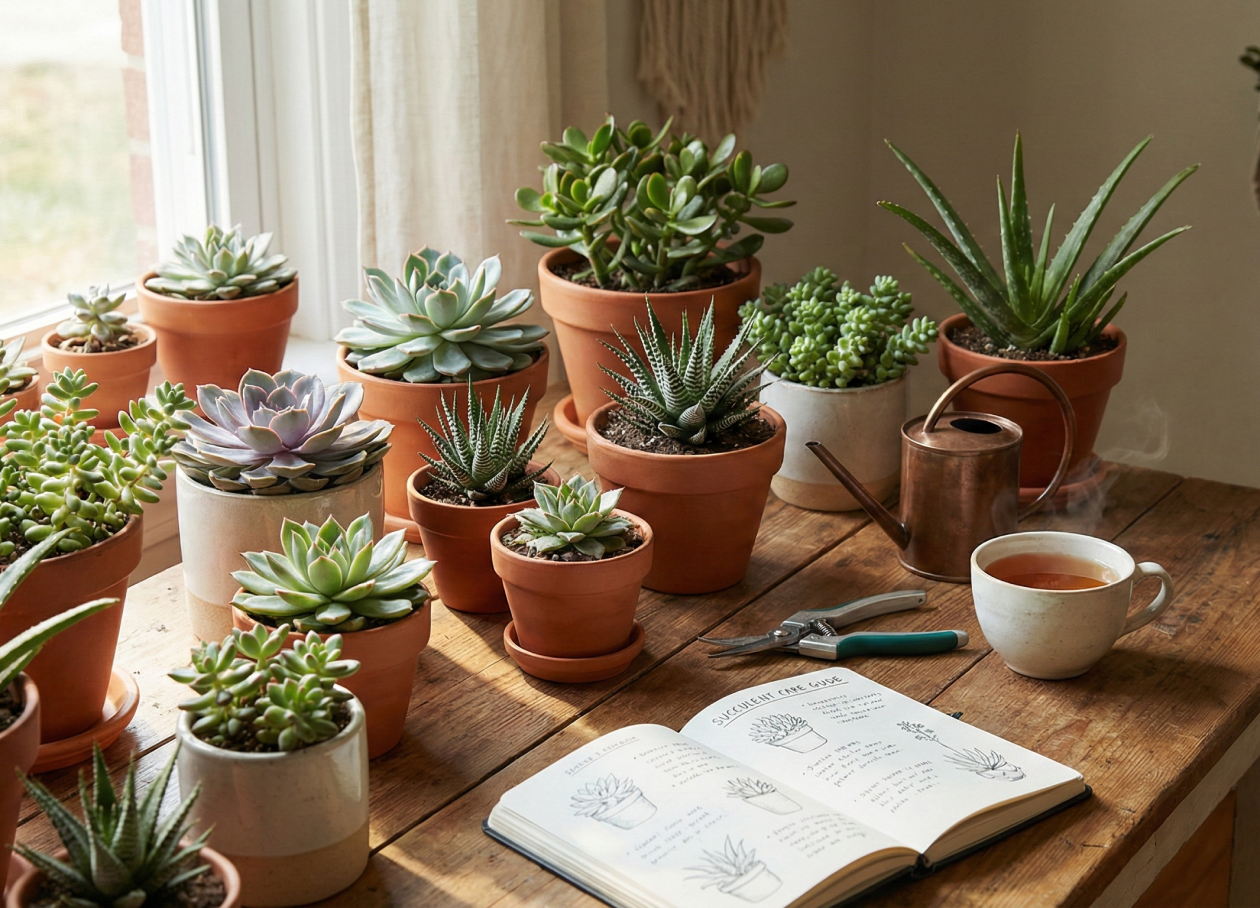
    Succulents are plants that store water in their leaves, stems, or roots, making them plump, juicy, and often quite geometric in shape. This adaptation allows them to survive in dry climates, which is why they thrive even when watered sparingly. In India, they’ve become household favourites because they fit effortlessly into all lifestyles—whether you live in an apartment, work long hours, or simply want a plant that doesn’t need constant attention.

    Their low-maintenance nature makes them perfect for terrariums, and at Mistileaf, we pair succulents with hand-selected substrates and artistic containers to create miniature landscapes that are easy to care for and beautiful to display.


    🌿 Popular Types of Succulents You’ll Love

    https://planetdesert.com/cdn/shop/collections/dummy_1920x480_7E9B40_7E9B40_f03f3ed0-4800-402f-adaa-460e1e40999a.png?v=1706000215
    https://littleprinceplants.com/wp-content/uploads/Haworthia-fasciata-September3.jpg
    https://cdn11.bigcommerce.com/s-oqm1pc/images/stencil/1280x1280/products/1060/9028/crassula_ovata_baby_jade__72035.1739684192.jpg?c=3

    1. Echeveria

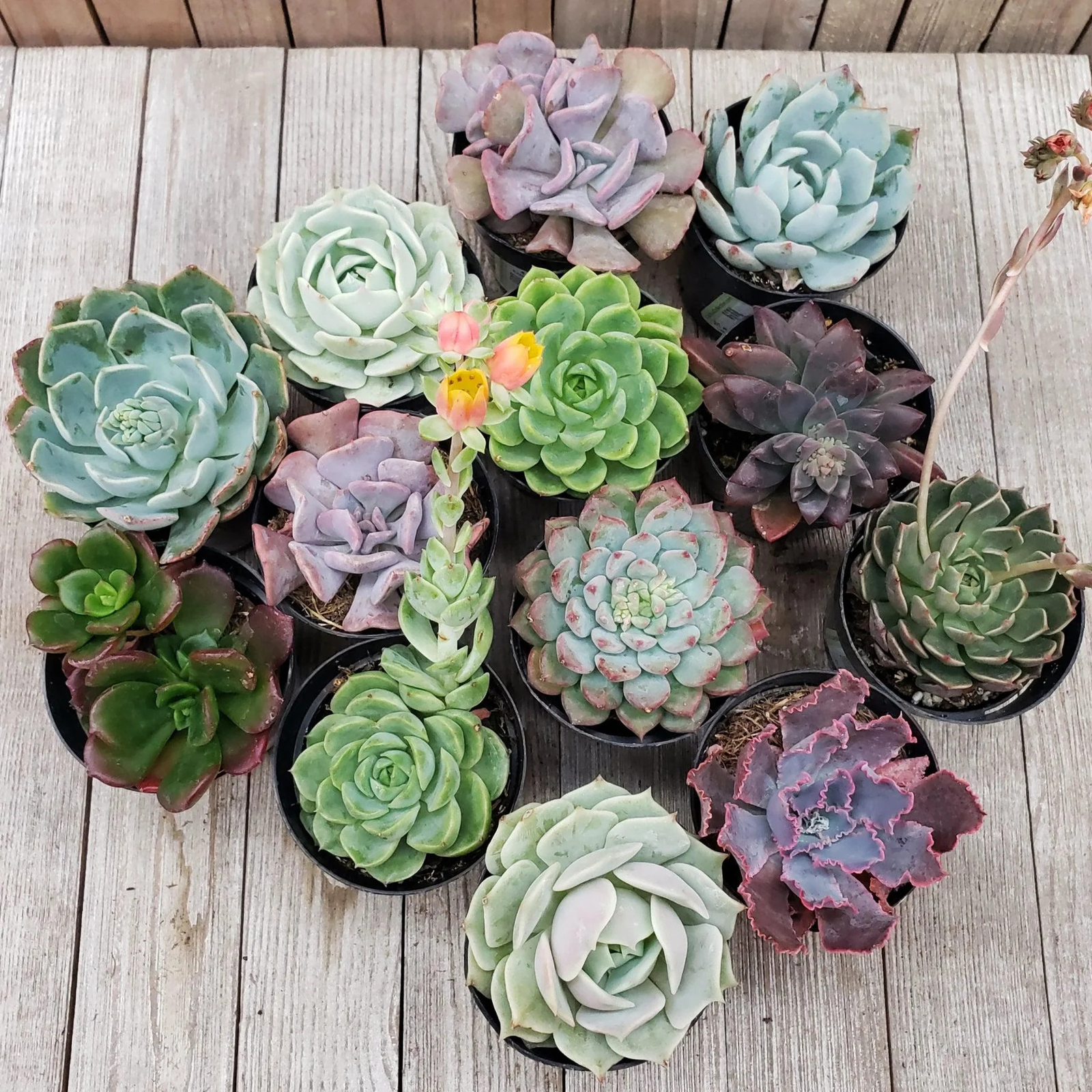
    Echeverias are known for their rosette shapes and pastel hues. They come in pinks, blues, greens, and purples, making them one of the most decorative succulents you can own. Their symmetrical leaves make every terrarium feel like a piece of art.

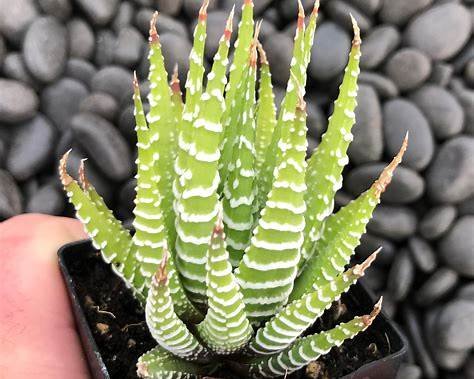
    2. Haworthia

    If you’re looking for a forgiving plant, Haworthia should be your pick. Its striped, zebra-like leaves and compact size make it perfect for office desks, bookshelves, and low-light corners.

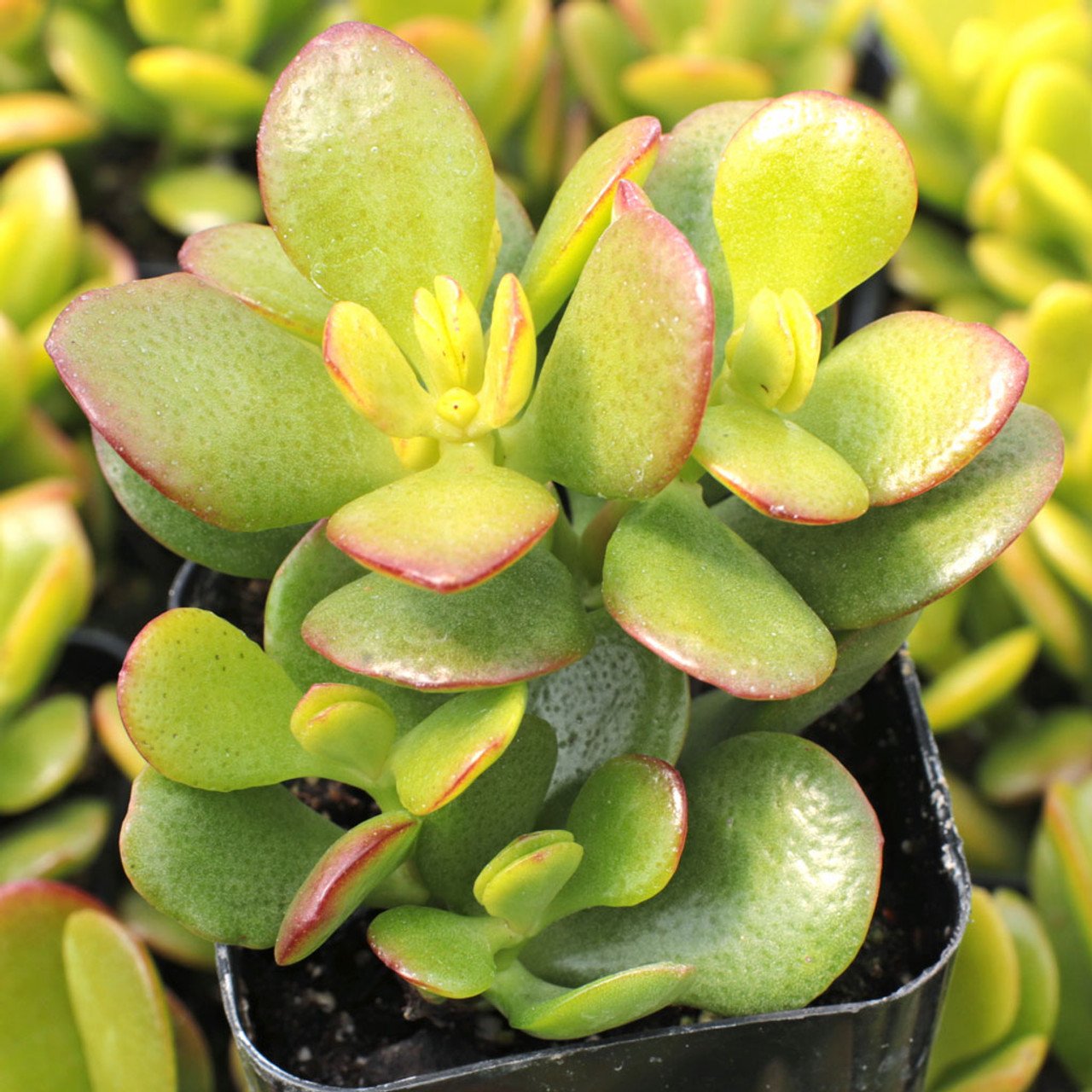
    3. Jade Plant (Crassula Ovata)

    The Jade plant is often called a “money plant” in many cultures and is believed to bring good luck. Its thick oval leaves and branching structure give it a bonsai-like feel over time.

    4. Aloe Vera

    Beyond its medicinal uses, Aloe Vera is a strong, elegant succulent that grows well indoors. It can withstand neglect and still thrive, making it an excellent option for beginners.

    5. Sedum

    Sedums are playful succulents with small, bead-like leaves that often trail or mound. They add wonderful texture to mixed arrangements and terrariums.


    🪴 How to Take Care of Your Succulents: A Beginner-Friendly Guide

    Taking care of succulents is easy, but understanding a few basics ensures they stay happy and healthy.


    1. Sunlight

    Succulents love bright, indirect sunlight, ideally about 3–6 hours a day. Soft morning sunlight works wonderfully in Indian homes. Avoid exposing them to intense afternoon sun, especially during Kolkata’s summers, as it can scorch their leaves.


    2. Watering

    The most important rule: Less water is better.

    • Only water when the soil is completely dry
    • Typically every 10–14 days, depending on your home’s humidity
    • Overwatering causes root rot, the most common reason new plant owners lose their succulents

    If your succulent is inside a Mistileaf terrarium, watering is even less frequent. A small mist or a tablespoon of water every few weeks is often enough.


    3. Soil

    Succulents need quick-draining soil.

    Use:

    • Cactus/succulent mix
    • Or garden soil combined with sand, gravel, or perlite

    At Mistileaf, we design every terrarium with a carefully layered substrate, ensuring airflow, drainage, and long-term plant health.


    4. Container & Drainage

    If planted outside a terrarium, always choose pots with drainage holes. If inside a semi-closed terrarium, water carefully and sparingly. Succulents thrive when their roots are not constantly wet.


    5. Air Circulation

    Good airflow helps prevent pests and fungus. Even if your succulent sits indoors, occasional fresh air keeps it thriving.


    🌱 The Beautiful Life Lessons Succulents Teach Us

    Succulents grow slowly. They don’t rush, they don’t force themselves—they simply adapt, endure, and thrive with what they have. In many ways, they reflect the life philosophy that many of us strive for:

    • Patience — Growth doesn’t need to be fast to be meaningful
    • Resilience — Even in harsh conditions, they find ways to flourish
    • Simplicity — They need little yet give so much beauty
    • Presence — Watching them grow teaches mindfulness

    In a busy city like Kolkata, nurturing even a small succulent can bring grounding energy—almost like a mini meditation session every time you glance at it.


    🌼 Why Choose Mistileaf Succulent Terrariums?

    At Mistileaf, based in the heart of Kolkata, we don’t just sell terrariums—we create little worlds of life. Each terrarium is handcrafted with attention, selecting healthy succulents, quality materials, aesthetic containers, and balanced soil layers.

    Our terrariums are:

    • Low-maintenance
    • Long-lasting
    • Beautifully designed
    • Ideal for gifting
    • Perfect for home or workspace décor

    Whether you’re new to plants or a passionate collector, a Mistileaf terrarium brings nature closer in the most charming way.

    If this guide inspired you to begin your succulent journey, take a look at our lovingly handcrafted terrariums at Mistileaf.
    🌿 Browse our collection: https://mistileaf.com/products

    Love plant inspiration and terrarium ideas?
    🌿 Join us on Instagram: https://www.instagram.com/misti.leaf/
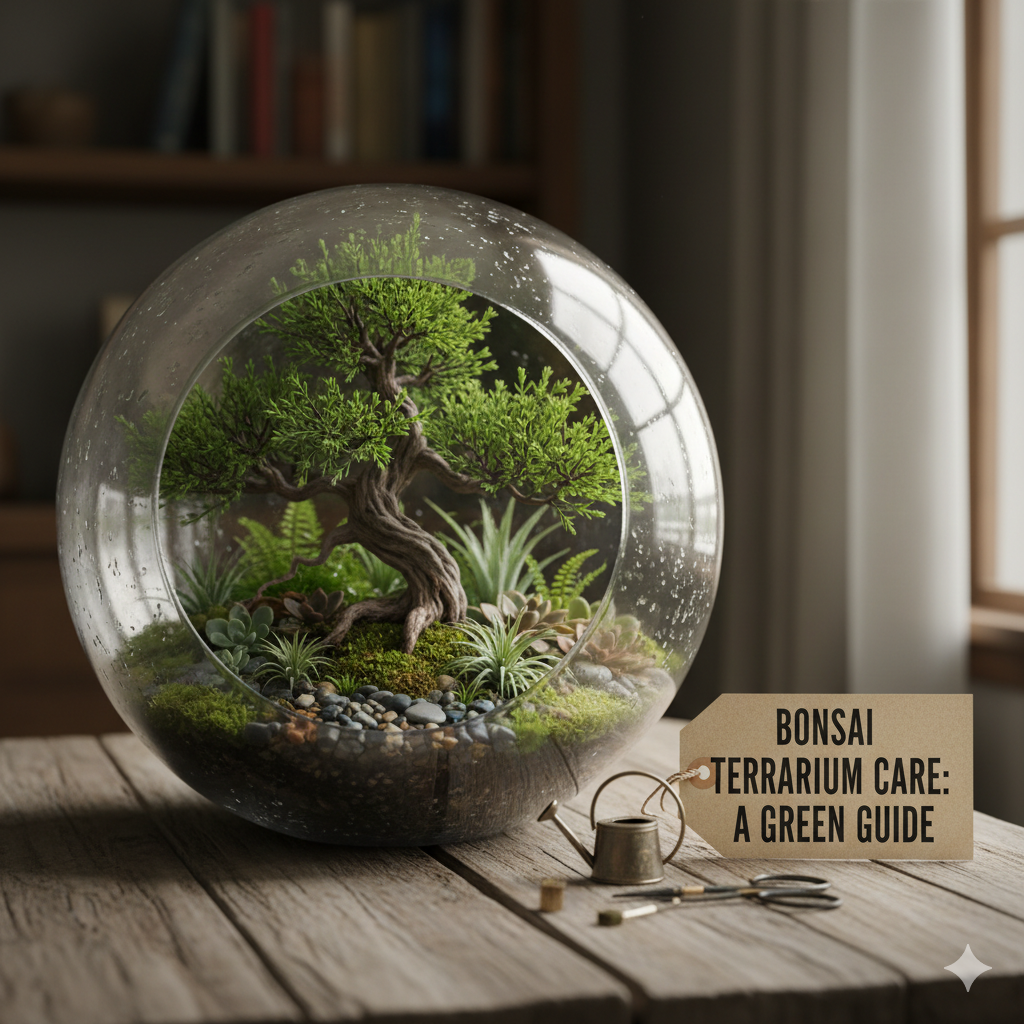
  • Bonsai Terrarium: Where Art, Nature, and Design Unite

    Bonsai Terrarium: Where Art, Nature, and Design Unite

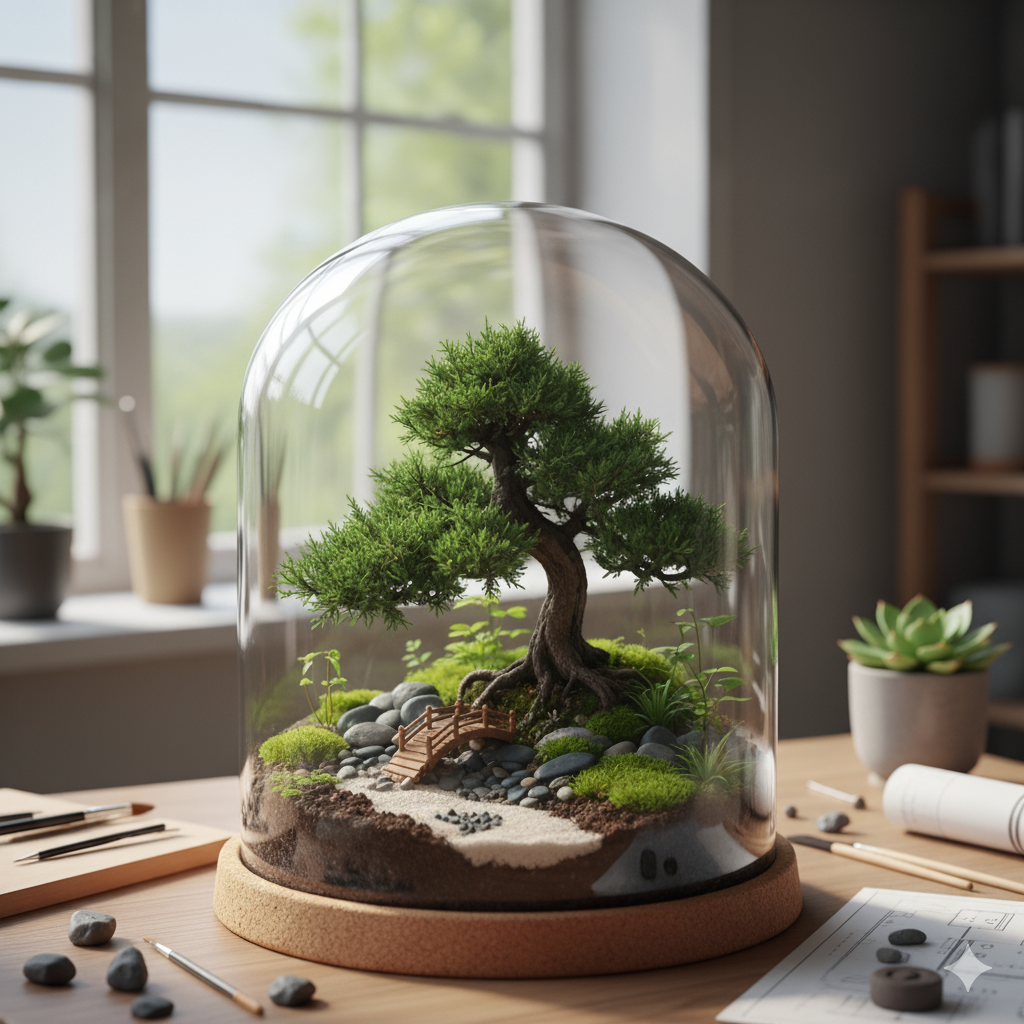
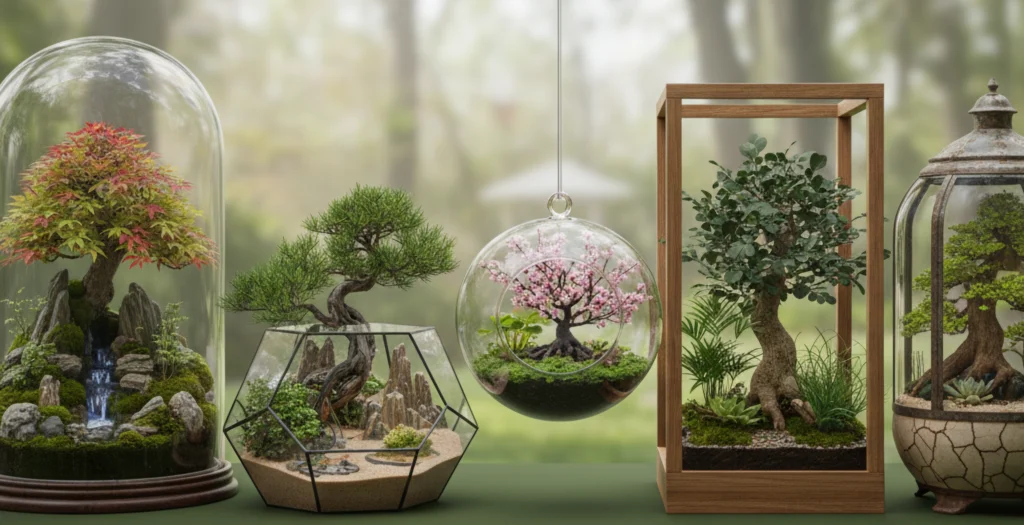
    This is article 3 for testing purpoIn the heart of every home, there should be a place where stillness lives — a corner that breathes calm, beauty, and intention. At Mistileaf, we’ve reimagined this concept through the delicate harmony of Bonsai Terrariums — miniature landscapes that combine the ancient art of Bonsai with the modern elegance of glass design.

    A Bonsai Terrarium isn’t just decor. It’s a living sculpture — a self-contained ecosystem where nature’s poetry meets refined craftsmanship. Every branch, stone, and grain of moss tells a story of balance and growth, curated to bring tranquillity into contemporary space.

    The Essence of Bonsai Terrariums

    To understand the magic of Bonsai Terrariums, one must begin with the art of Bonsai itself. Originating in East Asia, Bonsai represents the pursuit of balance, simplicity, and time. It’s about shaping nature without overpowering it — guiding growth with respect and patience.

    Now, imagine this timeless art housed within a luxury glass vessel — the Bonsai resting in its own microcosm of soil, moss, and air. The result is a piece of living art that blurs the line between sculpture and life, design and ecology.

    At Mistileaf, our Bonsai Terrariums are crafted with intention: each vessel designed to amplify natural beauty through clarity, proportion, and texture. It’s where ancient philosophy meets modern design, forming a sanctuary of stillness within your space.

    Why Bonsai Terrariums Are the Future of Modern Green Décor

    As homes and offices evolve into places of wellness and creativity, the demand for sustainable, meaningful design elements grows stronger. A Bonsai Terrarium fits beautifully into this vision — elegant, low-maintenance, and deeply symbolic.

    Here’s why design enthusiasts and mindful homeowners are embracing them:

    1. 🌿 A Living Centerpiece: Each Bonsai Terrarium is a miniature landscape, alive with texture, light, and growth. It becomes a natural focal point in any interior.
    2. 🌸 Mindful Living: Caring for a Bonsai within a terrarium fosters mindfulness and calm. Every watering or pruning moment becomes a quiet act of meditation.
    3. 🏡 Perfect for Urban Spaces: Compact yet captivating, terrariums bring nature indoors without the need for large gardens or high maintenance.
    4. Luxury in Simplicity: The transparent glass design elevates the aesthetic — blending minimalism with organic beauty. It’s luxury that breathes.
    5. 🌱 Sustainable by Design: Unlike cut flowers or disposable décor, a Bonsai Terrarium thrives for years, symbolizing longevity and renewal.

    At Mistileaf, we believe that luxury should coexist with sustainability — and our Bonsai Terrariums embody that belief perfectly.

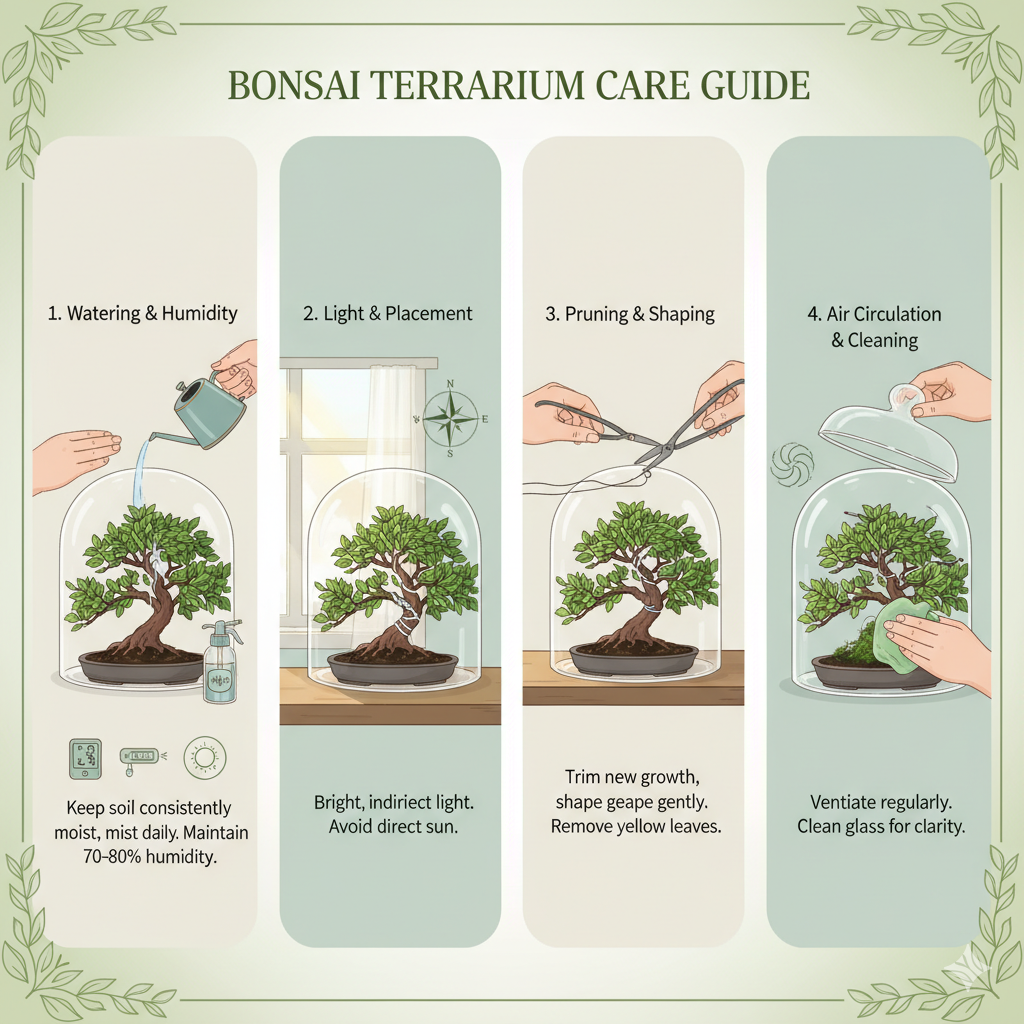
    Caring for Your Bonsai Terrarium

    Though visually intricate, maintaining a Bonsai Terrarium is simple and rewarding. Here’s how to help your miniature ecosystem thrive:

    • Light: Place it near natural, indirect sunlight — bright but gentle.
    • Water: Use a misting bottle to maintain balanced humidity. Avoid overwatering; let the ecosystem breathe.
    • Air Circulation: Occasionally lift the lid or open the terrarium to refresh air inside.
    • Pruning: Trim leaves and branches to maintain form and prevent overcrowding.
    • Mindful Observation: Watch for subtle changes in color and growth — they reflect the health of your living landscape.

    Each small act of care is a meditation in itself, connecting you to the slow rhythm of nature.

    Mistileaf: Crafting Living Luxury

    At Mistileaf, we see nature as the ultimate artist — and our role as its curator. Each Mistileaf Bonsai Terrarium is handcrafted with precision and respect for organic form. We select each tree, moss, and vessel to create harmony between structure and spontaneity.

    Our terrariums are not mass-produced objects, but living masterpieces designed to enrich modern interiors with tranquility and grace. Whether displayed on a work desk, coffee table, or hallway console, a Mistileaf Bonsai Terrarium transforms ordinary space into a sanctuary.


    A Living Expression of Timeless Beauty

    In a fast-paced world, a Bonsai Terrarium offers something rare — a chance to slow down, to observe, and to reconnect. It’s a gentle reminder that growth takes time, and beauty is found in patience.

    Bring home a piece of living art with Mistileaf — where Bonsai meets luxury, and every creation whispers the timeless story of nature and balance.

  • How to Take Care of Your Bonsai Terrarium

    How to Take Care of Your Bonsai Terrarium

    Owning a Bonsai Terrarium is like keeping a small universe on your table — a world where art, nature, and mindfulness coexist. Within its glass walls, you hold a living masterpiece, shaped by time and nurtured by care.

    At Mistileaf, our luxury terrariums are crafted to bring tranquility and sophistication into your space. But beyond their sculptural beauty, they invite a quiet ritual — the practice of care. Tending to your Bonsai Terrarium isn’t just about maintenance; it’s about creating a deeper connection with the natural world.

    Here’s your complete guide on how to care for your Bonsai Terrarium — ensuring it stays vibrant, balanced, and breathtaking for years to come.

    1. Light: The Foundation of Growth

    Light is life for your Bonsai. However, the right kind of light makes all the difference inside a terrarium.

    • Ideal Placement: Keep your Bonsai Terrarium near a window that provides bright, indirect sunlight. Harsh, direct rays can overheat the glass and harm the leaves.
    • Artificial Light: If your home doesn’t receive sufficient sunlight, use a full-spectrum LED grow light for about 6–8 hours daily.
    • Rotation: Every few weeks, rotate the terrarium slightly to ensure even light exposure and balanced growth.

    The goal is balance — steady light that nourishes, never scorches.


    2. Water: The Rhythm of Life

    The most common question for new owners is: How much should I water my Bonsai Terrarium?

    Because terrariums retain humidity, less is more. Overwatering can cause root rot or mold growth, while underwatering leads to dry soil and wilting.

    • Check the Soil: Touch the top layer; if it feels slightly dry, it’s time to water.
    • Misting Technique: Use a spray bottle or misting nozzle to gently water the soil — never pour directly.
    • Frequency: Once every 7–10 days is usually enough, but adjust depending on humidity and temperature.
    • Drainage Tip: If your terrarium is closed, open it occasionally to let excess moisture escape.

    Remember, your Bonsai doesn’t live in a rainforest — it thrives in controlled balance.


    3. Air Circulation: Let It Breathe

    A healthy Bonsai Terrarium needs fresh air to prevent mold and maintain equilibrium.

    • Open-Air Design: If your terrarium has an open top, gentle airflow will occur naturally.
    • Closed Terrariums: Open the lid for an hour or two every few days to refresh the air.
    • Avoid Stagnation: Keep the terrarium away from overly humid corners or unventilated spaces.

    This simple routine ensures your miniature landscape remains fresh and lively.


    4. Pruning: The Art of Balance

    Pruning is what gives Bonsai its signature grace. Inside a terrarium, it’s essential to keep growth controlled and aesthetically pleasing.

    • Trim Regularly: Use fine scissors to remove overgrown shoots or leaves every few weeks.
    • Shape Gently: Follow the tree’s natural lines — Bonsai is about harmony, not perfection.
    • Remove Fallen Leaves: Dead or decayed matter can disturb the terrarium’s ecosystem.

    Each snip is an act of mindfulness, shaping not just the tree but your own sense of calm.


    5. Temperature & Humidity: Maintaining Harmony

    Your Bonsai Terrarium thrives best in moderate conditions — similar to what you find comfortable indoors.

    • Ideal Temperature: Between 18–26°C (65–78°F).
    • Humidity: Maintain gentle moisture without condensation forming heavily on the glass.
    • Avoid Extremes: Keep it away from air conditioners, heaters, and direct sunbeams.

    Stable conditions preserve both the plant’s health and the integrity of your Mistileaf terrarium.


    6. Mindful Observation: The Most Important Step

    Beyond all techniques, the real secret to a thriving Bonsai Terrarium is attention.
    Spend a moment each day observing your tiny ecosystem — the way light filters through leaves, how moss softens the soil, how roots anchor over time.

    This quiet act of awareness transforms routine care into ritual care — grounding, meditative, and deeply fulfilling.


    Mistileaf: Redefining Luxury Through Nature

    At Mistileaf, we design luxury bonsai terrariums that do more than decorate; they inspire mindful living. Each creation reflects balance — between design and nature, stillness and growth.

    When you care for a Mistileaf Bonsai Terrarium, you’re not just maintaining a plant — you’re tending to a living work of art. Every droplet, every ray of light, every quiet moment contributes to its beauty and longevity.


    Final Thought

    A Bonsai Terrarium is more than a decorative object; it’s a living reflection of time, patience, and care. By nurturing it, you invite calm and connection into your daily life.

    Bring home your own piece of tranquility with Mistileaf — where luxury meets life, and nature takes center stage.