Category: Succulents

Discover how to plant, propagate, and maintain healthy succulents with Misti Leaf’s Succulents Blog, your guide to easy, low-care greenery.

  • Infinite Greenery: The Ultimate Guide to Propagating Succulents

    Infinite Greenery: The Ultimate Guide to Propagating Succulents

    If you have ever owned a succulent, you know the addiction is real. One cute Echeveria succulents turns into three, and suddenly, you are eyeing every window sill in your house with a “potential garden” gaze. But what if I told you that you don’t always need to buy new plants to grow your collection?

    Welcome to the magical world of succulent propagation—the art of making new plants from the ones you already love.

    At Mistileaf, we believe that gardening should be a cycle of creation. Based right here in the heart of Kolkata, we design terrariums that tell a story. But today, we want to help you write the prequel: growing your own baby succulents that will eventually find their forever homes in our glass landscapes.

    Whether you are a seasoned gardener in Salt Lake or a beginner in Ballygunge with your first pot, this guide is for you.


    Why Propagate?

    Succulents are survivors. In their native arid habitats, they evolved to reproduce easily to ensure their species survived harsh droughts. For us, this means “free plants!” Propagation is cost-effective, incredibly rewarding, and a fantastic way to rescue a plant that might be getting too “leggy” or overgrown.

    The Three Golden Methods of Propagation

    There are three main ways to multiply your succulents. The best method depends on the type of succulent you have.

    1. Leaf Propagation (The “Magic Trick”)

    This is the most common method for fleshy succulents like Echeveria and Sedum. It feels like magic to watch a tiny clone emerge from a single fallen leaf.

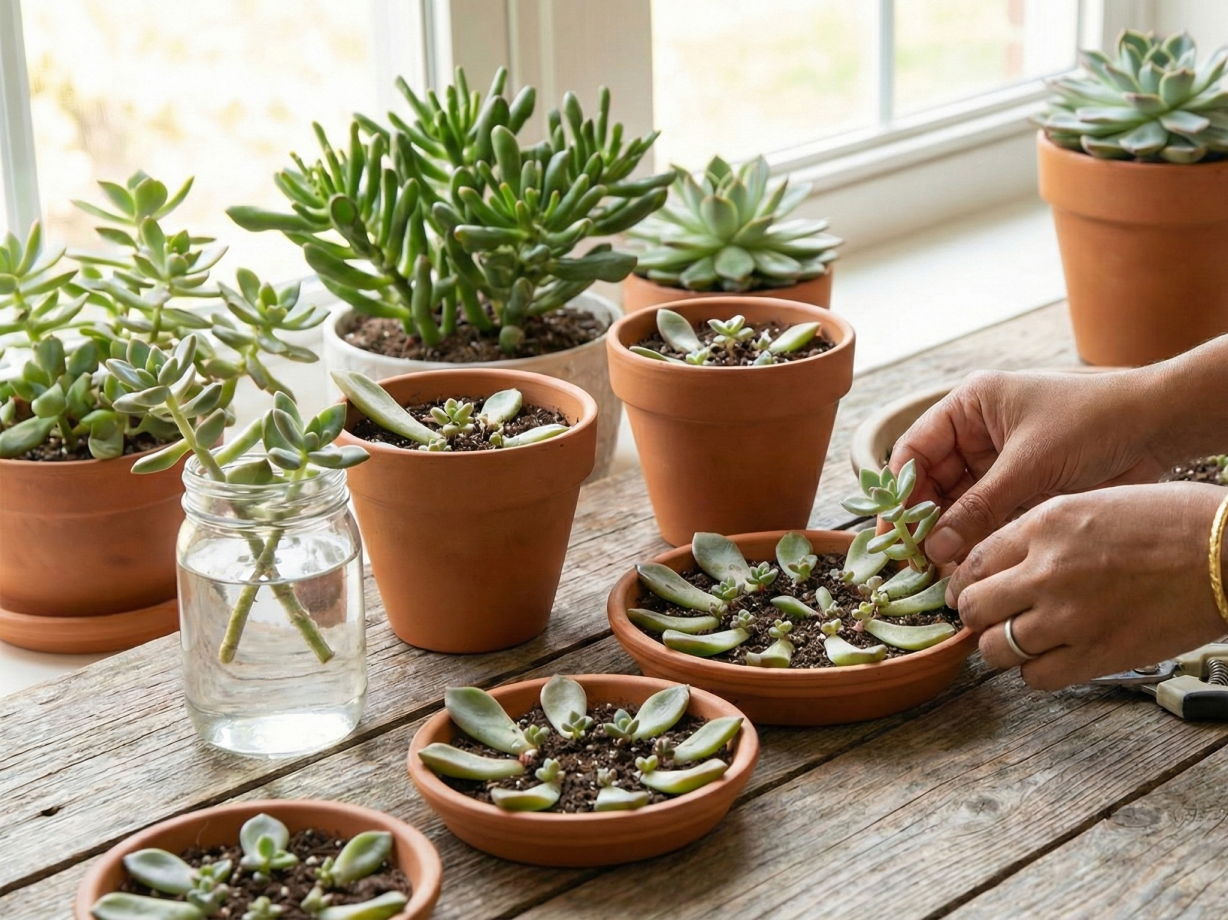
    • Step 1: The Twist. Gently twist a healthy leaf off the main stem. It’s crucial to get a “clean break.” If a piece of the leaf is left on the stem, it likely won’t root.
    • Step 2: The Callous. This is the secret step many beginners skip. Place your leaves on a dry paper towel in a shaded spot for 2–3 days. You want the raw end to dry out and form a “callous.” If you plant it wet, it will rot.
    • Step 3: The Bedding. Lay the calloused leaves on top of well-draining succulent soil (do not bury them!).
    • Step 4: The Wait. Mist the soil every few days—just enough to keep the top layer slightly damp. In a few weeks, you’ll see tiny pink roots and a miniature baby plant (a “pup”) emerging from the leaf end.

    2. Stem Cuttings (The “Beheading”)

    If your succulent has grown tall and stretched out (etiolated) because it didn’t get enough sun, this is the perfect fix.

    • Step 1: The Cut. Using sterile, sharp scissors, cut the top of the succulent rosette off, leaving an inch or two of stem attached to the head.
    • Step 2: Dry it Out. Just like the leaves, let the cutting dry in a shaded area for 2–4 days until the cut end callouses over.
    • Step 3: Plant. Stick the calloused stem into fresh soil. Don’t water it immediately; give the roots a week to settle before your first watering.

    3. Offsets (The “Natural Mom”)

    Some plants, like Aloe Vera, Haworthia, and Sempervivum, do the work for you. They shoot out baby plants, often called “pups,” around their base.

    • Step 1: Separate. Unpot the mother plant and gently tease the roots apart to separate the pup. Ensure the pup has some of its own roots attached.
    • Step 2: Rehome. Plant the pup immediately in its own small pot.
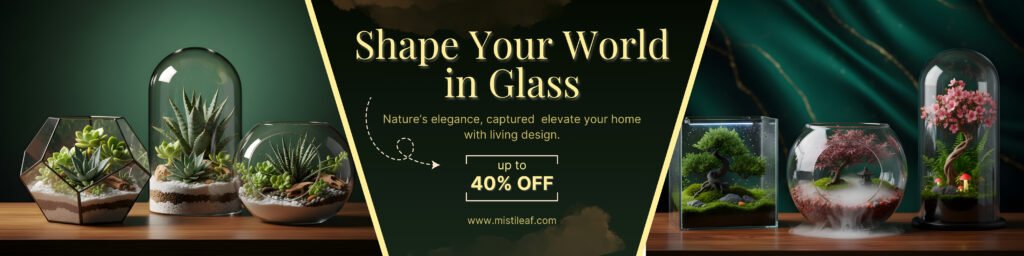
    Propagation in the Indian Climate: The Kolkata Factor

    Gardening in India, and specifically in a humid city like Kolkata, comes with its own set of rules. While succulents love the Indian sun, they hate the Indian monsoon humidity.

    • Humidity is the Enemy: When propagating in Kolkata, especially during the monsoon, moisture in the air can cause your cuttings to rot before they root. Keep your propagation trays in a well-ventilated area with good airflow.
    • Avoid Direct Noon Sun: While mature succulents love sun, baby propagations are delicate. The harsh Indian afternoon sun will scorch them. bright, indirect light (like a north-facing balcony) is ideal.
    • Soil Matters: standard garden soil (Mitti) is too heavy. Use a mix of coco peat, perlite, and coarse sand. At Mistileaf, we ensure all our terrariums use a custom-blended substrate specifically designed to combat root rot in humid climates.

    From Nursery Tray to Mistileaf Terrarium

    So, you’ve successfully propagated a dozen tiny succulents. Now what?

    This is where the artistry begins. Tiny propagated succulents are the perfect size for terrariums. Because they are young, they adapt better to the micro-climate inside a glass container than mature plants do.

    At Mistileaf, we specialize in creating these miniature ecosystems. Here is how you can integrate your new babies with our products:

    1. The Open Terrarium: For arid succulents (like the ones you propagated from leaves), our geometric open glass containers are ideal. They allow for maximum airflow, keeping those humidity-sensitive roots happy.
    2. The Landscape: Use your tiny new plants to create “depth” in a terrarium. Place larger rocks in the back and your small, propagated pups in the front to mimic a vast landscape.
    3. Gifting: There is nothing more personal than gifting a Mistileaf terrarium planted with succulents you grew yourself. It’s a gift of time, patience, and life.

    Start Your Green Journey Today

    Propagation teaches us patience. It reminds us that big things—beautiful, thriving gardens—start from small, fragile beginnings.

    If you are ready to take your love for plants to the next level, or if you are looking for the perfect glass home for your new plant babies, check out our latest collection. We deliver handcrafted terrariums across India, bringing a slice of nature right to your desk.

    Happy Planting!

    If this guide inspired you to begin your succulent journey, take a look at our lovingly handcrafted terrariums at Mistileaf.
    🌿 Browse our collection: https://mistileaf.com/products

    Love plant inspiration and terrarium ideas?
    🌿 Join us on Instagram: https://www.instagram.com/misti.leaf/
  • Why Succulents and Terrariums Are the Ultimate Upgrade for Your Space

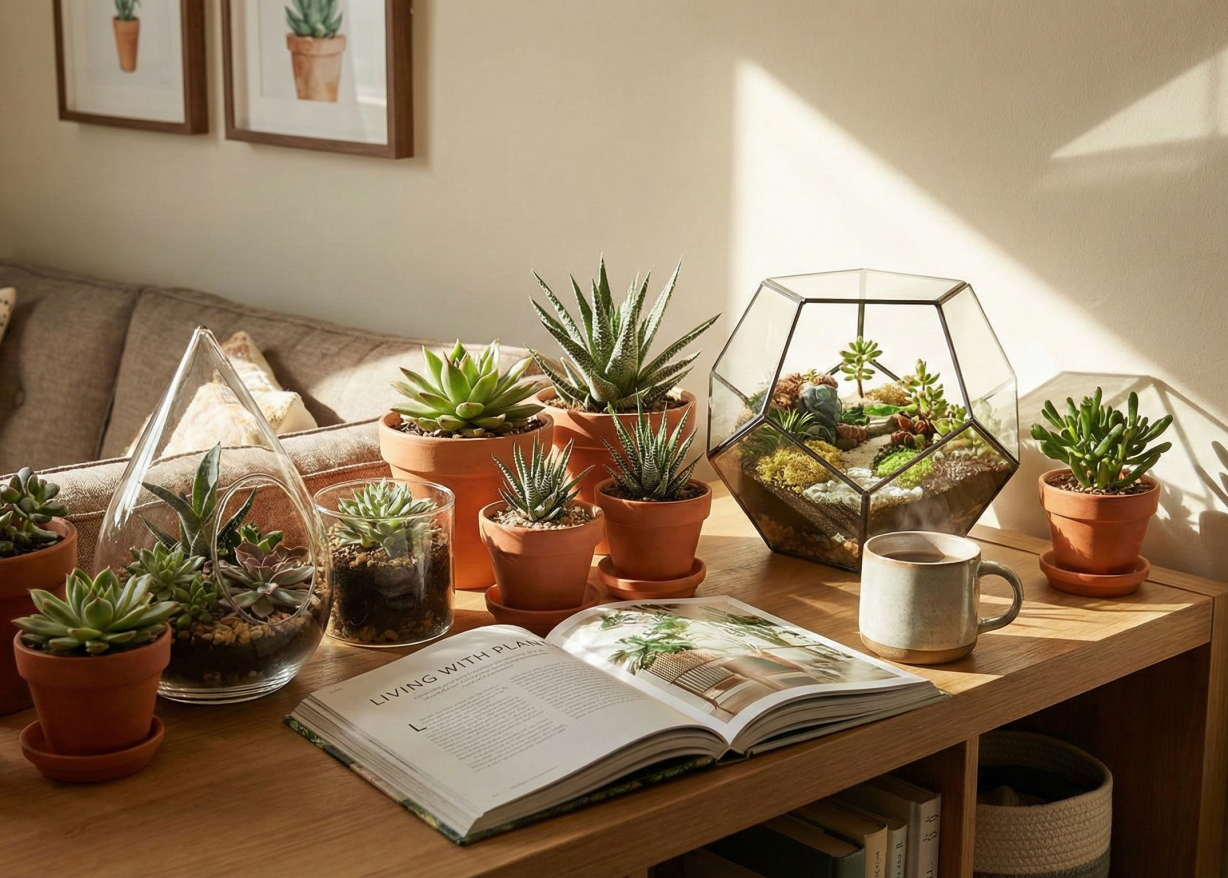
    Why Succulents and Terrariums Are the Ultimate Upgrade for Your Space

    Bringing the “Mist” of the Forest to the Concrete Jungle

    In the bustling streets of Kolkata, where the heritage architecture meets the rush of modern life, finding a moment of pure, unadulterated calm can feel like a luxury. We often find ourselves craving a connection to nature—a splash of green against the grey of the city. This is where the quiet revolution of succulents and terrariums comes in.

    Gone are the days when gardening required a backyard and hours of free time. Today, the garden has moved indoors, onto our desks, our coffee tables, and our windowsills. At Mistileaf, we believe that everyone deserves a slice of nature, no matter how small their space. But why exactly have these tiny, water-retaining plants taken the world by storm? Let’s dig into why succulents are the perfect companions for your office, your home, and the people you love.


    1. The Office Companion: Boosting Productivity, One Leaf at a Time

    Walk into any modern office or co-working space, and you’ll likely spot a terrarium perched on a desk. This isn’t just a design trend; it’s a productivity hack.

    The “Green” Stress Buster Corporate life can be demanding. Deadlines, meetings, and screen fatigue are real issues. Research suggests that simply looking at greenery can lower cortisol levels (the stress hormone) and reduce blood pressure. A Mistileaf terrarium on your desk acts as a visual “reset button.” When your eyes are tired from staring at a spreadsheet, a 30-second gaze at the intricate layers of moss and succulents inside a glass bowl can help refocus your mind.

    Purifying the Air You Breathe Offices are often poorly ventilated, circulating stale air. Succulents, particularly varieties like Snake Plants and Aloe Vera often used in larger arrangements, are famous for their air-purifying qualities. Unlike many plants that only photosynthesize during the day, many succulents continue to release oxygen at night and can remove toxins like formaldehyde and benzene from the air. It’s like having a miniature air filter that looks beautiful.

    Low Maintenance for High Performance Let’s be honest: you’re at the office to work, not to be a gardener. Succulents are the camels of the plant world. They store water in their leaves, meaning they can survive a long weekend (or even a week-long vacation) without a drop of water. For busy professionals, this “benign neglect” makes them the ideal desk mate.


    2. The Home Aesthetic: Living Art for Your Sanctuary

    Your home is your sanctuary, and the decor you choose sets the mood. While cut flowers die in a week and artificial plants gather dust, a terrarium is a living ecosystem.

    Versatility in Design Whether your home in Kolkata is a traditional heritage apartment with high ceilings or a chic, modern flat in New Town, succulents fit everywhere. A geometric glass terrarium adds a touch of modern elegance to a minimalist living room, while a rustic bowl filled with Echeveria and Haworthia adds warmth to a wooden dining table.

    The “Mistileaf” Touch At Mistileaf, we don’t just pot plants; we create landscapes. Our terrariums are designed to look like captured moments in nature—a miniature forest floor, a rocky outcrop, or a desert oasis. They become conversation starters. When guests visit, they aren’t just looking at a plant; they are peering into a tiny, self-contained world.

    Perfect for Indian Climate India’s climate can be harsh, but succulents are resilient. They thrive in the warmth and require very little humidity management compared to sensitive tropical plants. This makes them perfect for Indian homes where the AC might be running all summer or the windows might be thrown open to the monsoon breeze.


    3. The Art of Gifting: Why Terrariums Beat Bouquets

    We’ve all been there—struggling to find a gift that feels meaningful. Chocolates get eaten, flowers wilt, and generic showpieces often end up in a drawer. This is why a Mistileaf terrarium is the ultimate gifting solution.

    Symbolism of Growth and Resilience When you gift a succulent, you are gifting a symbol of endurance. These plants thrive in tough conditions and grow slowly but steadily. It’s a beautiful metaphor for a relationship, a new job, or a new home. You are telling the recipient, “I want you to grow and thrive.”

    The Eco-Friendly Choice In a world increasingly conscious of sustainability, a terrarium is a responsible gift. It produces no plastic waste and lasts for years. Unlike a bouquet that is discarded in days, a Mistileaf terrarium remains a permanent reminder of your affection.

    Suitable for Every Occasion

    • Corporate Gifting: A sleek, low-maintenance terrarium is professional yet thoughtful.
    • Housewarming: It literally adds life to a new home.
    • Weddings/Return Gifts: A miniature succulent is a memorable keepsake for guests.
    • Diwali/Festivals: Instead of sweets, gift “green wealth.” In Vastu and Feng Shui, succulents like the Jade plant are believed to attract wealth and prosperity.

    Why Choose Mistileaf?

    Based right here in the heart of Kolkata, Mistileaf understands the local vibe and the local climate. We aren’t just a plant shop; we are terrarium artists.

    • Hand-Curated Selection: We pick the healthiest succulents that are acclimatized to our local weather, ensuring they don’t die on you a week after purchase.
    • Artistic Design: Every Mistileaf terrarium is hand-assembled with specialized layers of drainage stones, activated charcoal (to keep the soil fresh), and premium succulent soil, ensuring your plant has a healthy home.
    • Doorstep Delivery: We know how fragile glass can be. Our packaging is designed to ensure your miniature garden arrives at your doorstep in Kolkata in pristine condition.

    Quick Care Tips for Your Mistileaf Terrarium

    To ensure your green friend stays happy:

    1. Light: Give them bright, indirect light. Near a window is perfect, but avoid scorching direct midday sun in summer.
    2. Water: The “Mist” in Mistileaf stands for moisture control! Only water when the soil is completely dry. For terrariums, a few spoonfuls of water every 10-14 days is usually enough. Overwatering is the enemy!
    3. Air: Succulents love airflow. If you have an open terrarium, it will thrive easily.

    Ready to Green Your Space?

    Whether you are looking to add a zen corner to your office desk, breathe life into your living room, or send a gift that truly lasts, Mistileaf has a world of green waiting for you.

    Explore our latest collection of handcrafted terrariums today. Let nature in, one leaf at a time.

    If this guide inspired you to begin your succulent journey, take a look at our lovingly handcrafted terrariums at Mistileaf.
    🌿 Browse our collection: https://mistileaf.com/products

    Love plant inspiration and terrarium ideas?
    🌿 Join us on Instagram: https://www.instagram.com/misti.leaf/
  • The Art of Resilience: Why Succulents Are the Ultimate Modern Houseplant

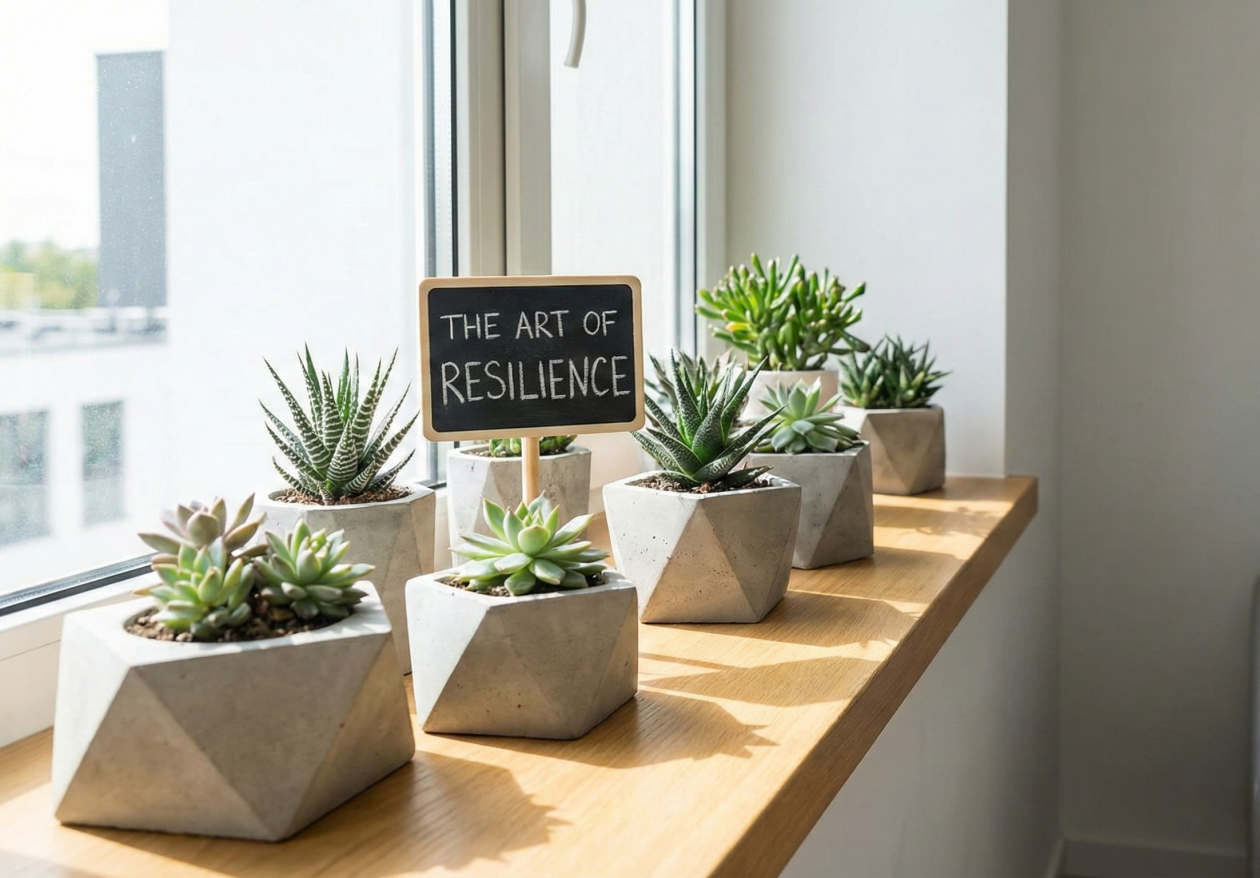
    The Art of Resilience: Why Succulents Are the Ultimate Modern Houseplant

    In the hustle of modern urban living—whether you are navigating the busy streets of Kolkata or rushing through a corporate job in Bangalore—there is a universal craving to reconnect with nature. We all want that touch of green in our living rooms or on our office desks. However, the reality of maintaining high-maintenance tropical plants often leads to withered leaves and disappointment.

    Enter the succulent: the plant that thrives on neglect, looks like a piece of living sculpture, and fits perfectly into the modern Indian aesthetic.

    At Mistileaf, we have turned our fascination with these resilient beauties into a craft. As a Kolkata-based brand dedicated to bringing nature indoors through artistically designed terrariums, we often get asked: Why are succulents so popular? and How do they survive with so little care?

    Today, we are diving deep into the science and the style of the world’s most beloved low-maintenance plant.

    Thriving on Neglect: The Science of Survival

    To understand why succulents are the perfect plant for the busy individual, you have to look at their history. Succulents didn’t evolve in lush rainforests; they evolved in some of the harshest environments on Earth—deserts, arid cliffs, and salt pans.

    The word “succulent” actually comes from the Latin word sucus, meaning “juice” or “sap.” This is the secret to their survival in minimum conditions.

    1. Nature’s Storage Tanks

    Unlike other plants that transport water from roots to leaves constantly, succulents have developed fleshy, thickened tissues (leaves, stems, or roots) that act as water reservoirs. When you water a succulent, it drinks greedily, storing that moisture for the long drought ahead. This is why you can go on a week-long vacation and return to find your Mistileaf terrarium looking just as fresh as when you left.

    2. The CAM Process

    Most plants “breathe” during the day, opening their pores (stomata) to take in carbon dioxide. In a hot desert, this would cause them to lose too much moisture. Succulents utilize a process called Crassulacean Acid Metabolism (CAM). They keep their pores closed during the scorching day and only open them at night to breathe. This evolutionary hack allows them to survive in minimum conditions that would kill a fern or a peace lily in days.

    The Aesthetic Appeal: Living Sculptures

    While their survival skills are impressive, let’s be honest: we love succulents because they are beautiful. In the world of interior design, succulents are unrivaled. They don’t look like wild, unruly bushes; they look like geometric art.

    Minimalist Perfection

    Modern interior design trends in India are shifting towards minimalism—clean lines, decluttered spaces, and intentional decor. A messy, shedding plant can disrupt this vibe. Succulents, with their architectural shapes, rosettes, and symmetry, complement modern furniture and tech-heavy workspaces perfectly.

    A Palette of Colors

    Green is just the beginning. Succulents come in a stunning array of colors, from dusty blues and deep purples to sunset pinks and fiery reds. At Mistileaf, we curate our terrariums to feature these contrasting colors, turning a simple glass bowl into a vibrant landscape that looks different from every angle.

    Why Terrariums are the Best Home for Succulents

    While a succulent in a plastic nursery pot is cute, a succulent in a Mistileaf terrarium is a statement piece.

    Terrariums are essentially miniature ecosystems encased in glass. For urban dwellers in apartments where garden space is non-existent, a terrarium is a way to own a tiny world.

    • The “Greenhouse” Effect: The glass enclosure helps regulate the micro-climate around the plants.
    • Visual Layering: Our terrariums aren’t just about the plants; they are about the soil layers, the decorative pebbles, the moss, and the artistic arrangement. It turns a plant into a high-end decor item.
    • Cleanliness: Terrariums contain the mess. There is no water leaking onto your wooden furniture and no soil spilling out.

    Bringing Green to Kolkata and Beyond

    Based in the heart of Kolkata, Mistileaf understands the Indian climate. Kolkata can be humid, and while succulents love dry heat, we design our open-terrarium arrangements specifically to ensure airflow, preventing rot even during the humid monsoon months.

    We believe that everyone deserves a “Misti” (sweet) touch of leaf in their life. Whether you are gifting a terrarium to a friend for a housewarming or buying one to add some Zen to your work-from-home setup, you are investing in a plant that respects your time.

    Quick Care Tips for Your Mistileaf Terrarium

    To ensure your succulent terrarium thrives, follow the “Minimum Condition” rule:

    1. Light is Life: Place your terrarium in a spot with bright, indirect sunlight. A windowsill is perfect.
    2. ** The “Soak and Dry” Method:** Only water when the soil is completely dry. In Indian summers, this might be once a week. In winters, it might be once every two weeks.
    3. No Spraying: Don’t mist your succulents! They hate humidity on their leaves. Use a dropper or a small spout to water the soil directly.

    Conclusion

    Succulents are more than just plants; they are a lesson in resilience. They teach us that you don’t need an abundance of resources to bloom—you just need to be efficient with what you have. They are tough, adaptable, and undeniably gorgeous.

    At Mistileaf, we invite you to bring this resilient beauty into your home. Explore our collection of handcrafted terrariums and discover how easy it is to keep a little piece of nature by your side, no matter how busy life gets.

    If this guide inspired you to begin your succulent journey, take a look at our lovingly handcrafted terrariums at Mistileaf.
    🌿 Browse our collection: https://mistileaf.com/products

    Love plant inspiration and terrarium ideas?
    🌿 Join us on Instagram: https://www.instagram.com/misti.leaf/
  • The Ultimate Guide to Succulents: Types, Care Tips and More

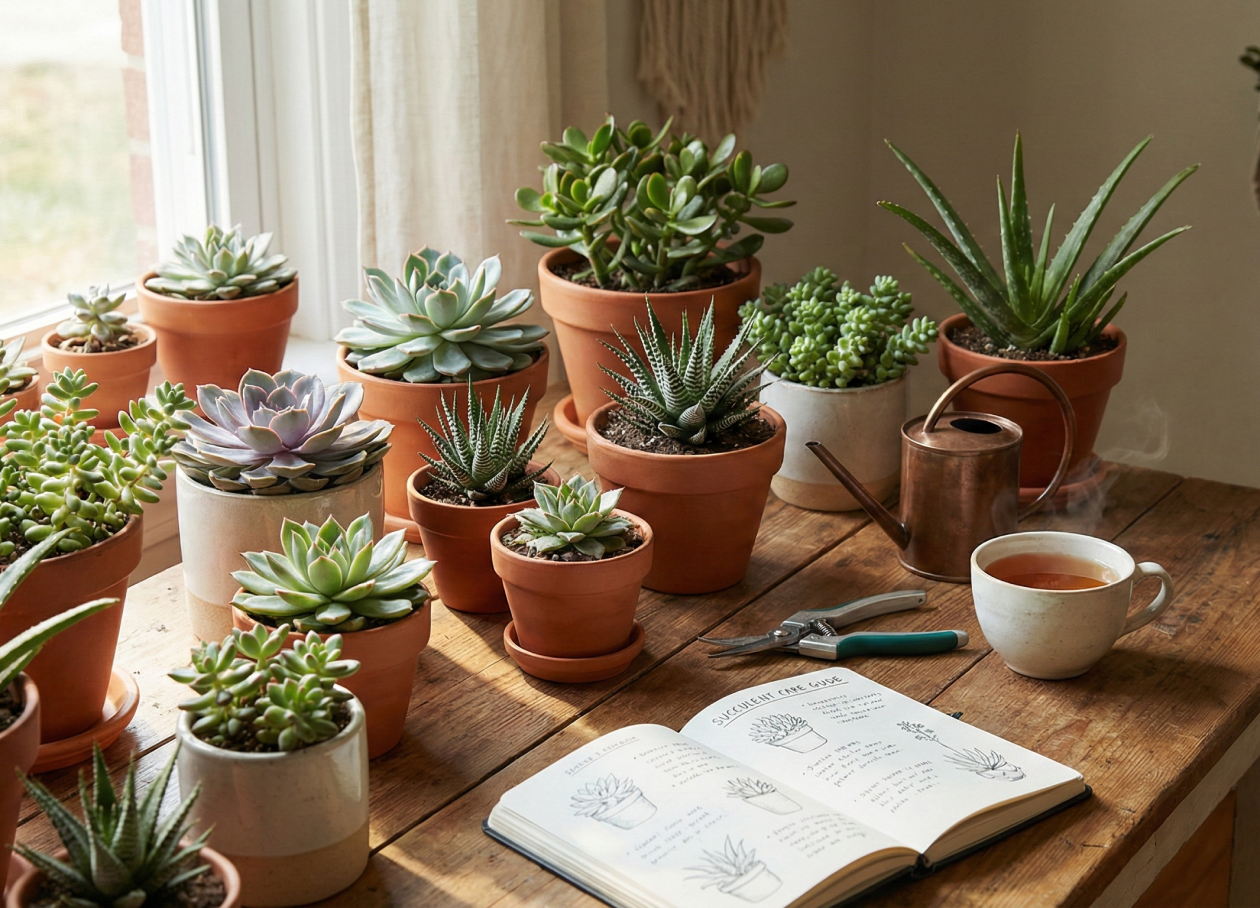
    The Ultimate Guide to Succulents: Types, Care Tips and More

    In today’s fast-paced world, we’re constantly surrounded by noise, deadlines, and distractions. Yet, in the middle of all this chaos, succulents stand as tiny reminders of calm, patience, and resilience.

    These charming plants—compact, sculptural, and incredibly low-maintenance—have found a special place in modern Indian homes, especially in bustling cities like Kolkata, where people crave pockets of green tranquility.

    For us at Mistileaf, succulents are more than just decor. They are living art, miniature worlds of life and growth captured inside beautifully crafted terrariums. If you’re looking to start your succulent journey or deepen it, this guide will walk you through everything you need to know—types, care, and the subtle life lessons these hardy plants teach us.


    🌵 What Exactly Are Succulents?

    Succulents are plants that store water in their leaves, stems, or roots, making them plump, juicy, and often quite geometric in shape. This adaptation allows them to survive in dry climates, which is why they thrive even when watered sparingly. In India, they’ve become household favourites because they fit effortlessly into all lifestyles—whether you live in an apartment, work long hours, or simply want a plant that doesn’t need constant attention.

    Their low-maintenance nature makes them perfect for terrariums, and at Mistileaf, we pair succulents with hand-selected substrates and artistic containers to create miniature landscapes that are easy to care for and beautiful to display.


    🌿 Popular Types of Succulents You’ll Love

    https://planetdesert.com/cdn/shop/collections/dummy_1920x480_7E9B40_7E9B40_f03f3ed0-4800-402f-adaa-460e1e40999a.png?v=1706000215
    https://littleprinceplants.com/wp-content/uploads/Haworthia-fasciata-September3.jpg
    https://cdn11.bigcommerce.com/s-oqm1pc/images/stencil/1280x1280/products/1060/9028/crassula_ovata_baby_jade__72035.1739684192.jpg?c=3

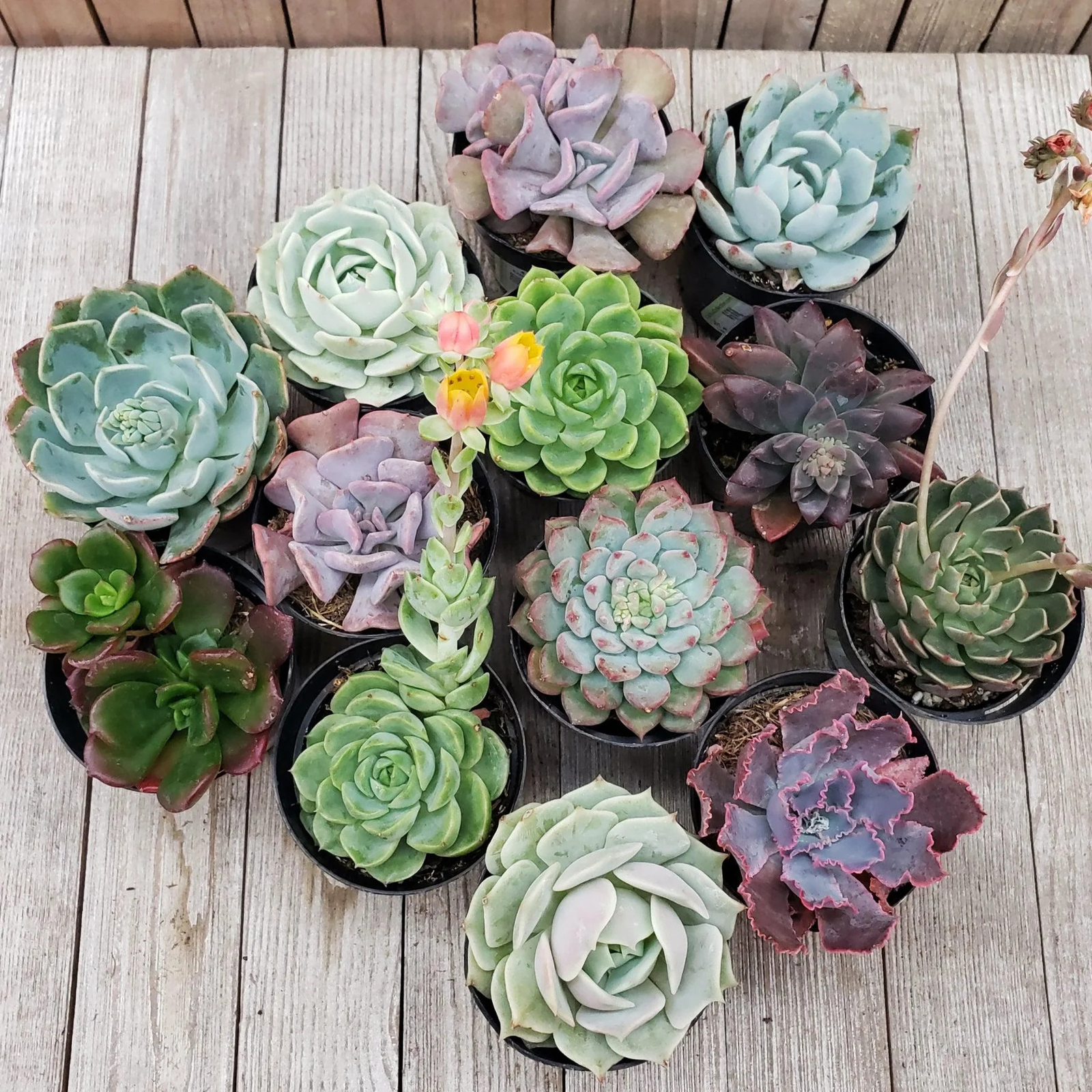
    1. Echeveria

    Echeverias are known for their rosette shapes and pastel hues. They come in pinks, blues, greens, and purples, making them one of the most decorative succulents you can own. Their symmetrical leaves make every terrarium feel like a piece of art.

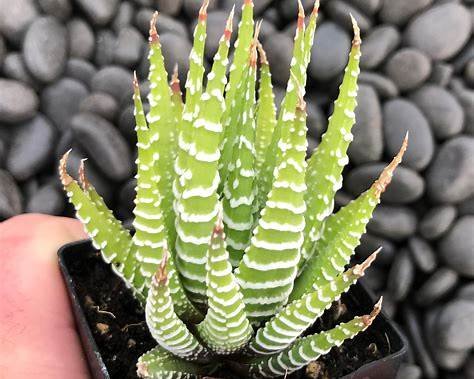
    2. Haworthia

    If you’re looking for a forgiving plant, Haworthia should be your pick. Its striped, zebra-like leaves and compact size make it perfect for office desks, bookshelves, and low-light corners.

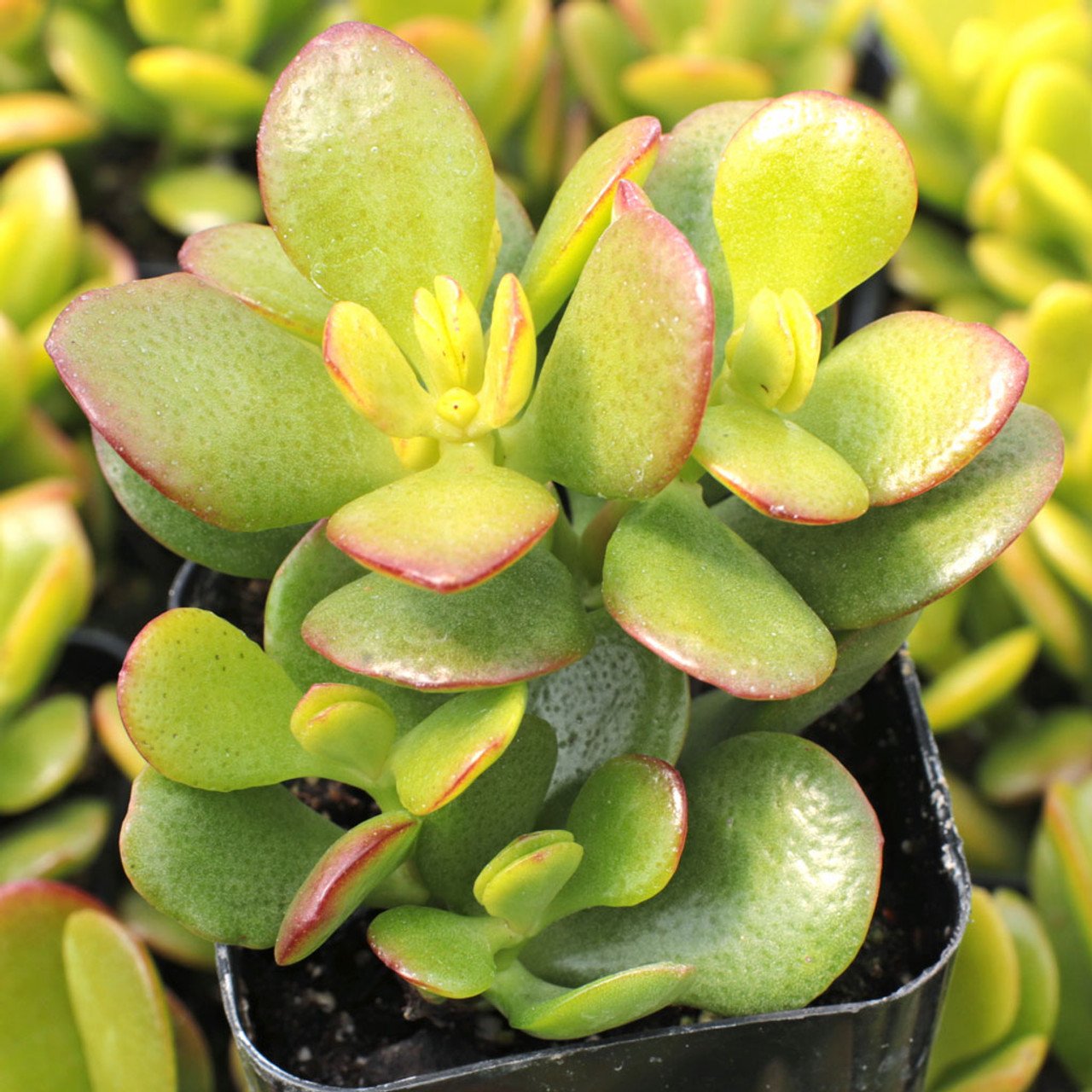
    3. Jade Plant (Crassula Ovata)

    The Jade plant is often called a “money plant” in many cultures and is believed to bring good luck. Its thick oval leaves and branching structure give it a bonsai-like feel over time.

    4. Aloe Vera

    Beyond its medicinal uses, Aloe Vera is a strong, elegant succulent that grows well indoors. It can withstand neglect and still thrive, making it an excellent option for beginners.

    5. Sedum

    Sedums are playful succulents with small, bead-like leaves that often trail or mound. They add wonderful texture to mixed arrangements and terrariums.


    🪴 How to Take Care of Your Succulents: A Beginner-Friendly Guide

    Taking care of succulents is easy, but understanding a few basics ensures they stay happy and healthy.


    1. Sunlight

    Succulents love bright, indirect sunlight, ideally about 3–6 hours a day. Soft morning sunlight works wonderfully in Indian homes. Avoid exposing them to intense afternoon sun, especially during Kolkata’s summers, as it can scorch their leaves.


    2. Watering

    The most important rule: Less water is better.

    • Only water when the soil is completely dry
    • Typically every 10–14 days, depending on your home’s humidity
    • Overwatering causes root rot, the most common reason new plant owners lose their succulents

    If your succulent is inside a Mistileaf terrarium, watering is even less frequent. A small mist or a tablespoon of water every few weeks is often enough.


    3. Soil

    Succulents need quick-draining soil.

    Use:

    • Cactus/succulent mix
    • Or garden soil combined with sand, gravel, or perlite

    At Mistileaf, we design every terrarium with a carefully layered substrate, ensuring airflow, drainage, and long-term plant health.


    4. Container & Drainage

    If planted outside a terrarium, always choose pots with drainage holes. If inside a semi-closed terrarium, water carefully and sparingly. Succulents thrive when their roots are not constantly wet.


    5. Air Circulation

    Good airflow helps prevent pests and fungus. Even if your succulent sits indoors, occasional fresh air keeps it thriving.


    🌱 The Beautiful Life Lessons Succulents Teach Us

    Succulents grow slowly. They don’t rush, they don’t force themselves—they simply adapt, endure, and thrive with what they have. In many ways, they reflect the life philosophy that many of us strive for:

    • Patience — Growth doesn’t need to be fast to be meaningful
    • Resilience — Even in harsh conditions, they find ways to flourish
    • Simplicity — They need little yet give so much beauty
    • Presence — Watching them grow teaches mindfulness

    In a busy city like Kolkata, nurturing even a small succulent can bring grounding energy—almost like a mini meditation session every time you glance at it.


    🌼 Why Choose Mistileaf Succulent Terrariums?

    At Mistileaf, based in the heart of Kolkata, we don’t just sell terrariums—we create little worlds of life. Each terrarium is handcrafted with attention, selecting healthy succulents, quality materials, aesthetic containers, and balanced soil layers.

    Our terrariums are:

    • Low-maintenance
    • Long-lasting
    • Beautifully designed
    • Ideal for gifting
    • Perfect for home or workspace décor

    Whether you’re new to plants or a passionate collector, a Mistileaf terrarium brings nature closer in the most charming way.

    If this guide inspired you to begin your succulent journey, take a look at our lovingly handcrafted terrariums at Mistileaf.
    🌿 Browse our collection: https://mistileaf.com/products

    Love plant inspiration and terrarium ideas?
    🌿 Join us on Instagram: https://www.instagram.com/misti.leaf/